
When you search 'patio apartments reviews,' you're almost certainly trying to vet a specific apartment community that markets its outdoor spaces as a selling point, and the first thing you need to do is make sure you're reading reviews for the exact property you're actually considering. Once you've confirmed that, reading those reviews the right way, knowing what patio-specific details to focus on, and turning your findings into a real checklist will get you to a confident decision faster than scrolling through star ratings ever will.
Patio Apartments Reviews: How to Vet Them and Decide

Jonah Lawson
6 Jul 2026
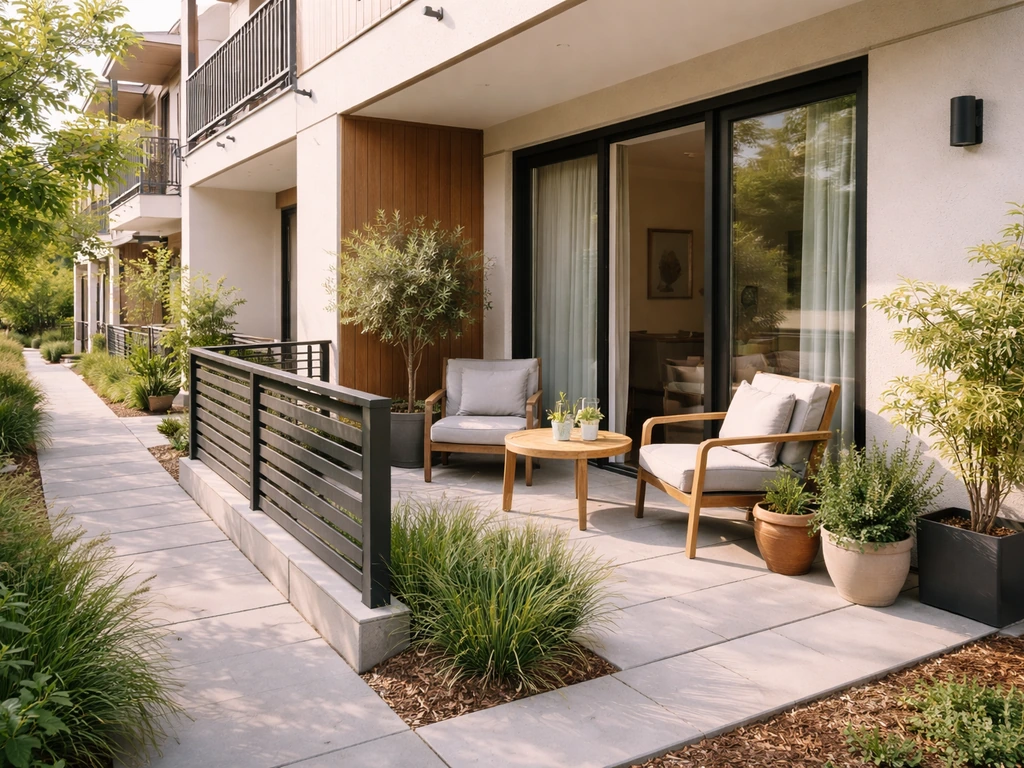
First: confirm you're looking at the right property
This step sounds obvious, but it trips people up constantly. There are multiple apartment communities across the country with names like 'El Patio Apartments,' 'Los Patios,' 'Patio 15,' and similar variations. If you're researching El Patio Apartments, for example, there's a specific property at 500 Audubon Pl in Sarasota, FL that shows up on Apartments.com, and that community has a separate history as a recognized historic site in that city. If you search generically and land on the wrong listing, every review you read is useless.
Before you read a single review, confirm three things: the exact property name (spelling included), the city and state, and the street address. Cross-check what you find on one platform against Google Maps and the property's own website. On Yelp, be aware that their data quality guidelines flag 'deceptive or fake listings that resemble other businesses,' which means lookalike listings can exist and occasionally surface in search results. A quick address check takes 60 seconds and saves you from making a decision based on someone else's building.
- Search the property name plus city and state, not just the name alone
- Confirm the street address matches across Google Maps, Apartments.com, and the leasing office website
- Check for nearby communities with similar names (e.g., 'El Patio' vs. 'Los Patios' vs. 'Patio 15'), especially in metros where multiple branded patio complexes exist
- If the property has a Wikipedia entry or local news mentions, use those as a secondary cross-check on location and history
How to actually read apartment reviews like you know what you're doing
Most people look at the star rating, read two or three reviews, and call it research. That approach misses a lot. Here's a smarter way to move through the reviews on any platform.
Look at volume and recency together

A 4.2-star rating based on 11 reviews over four years tells you almost nothing about what the property is like today. A 3.6-star rating based on 80 reviews from the past 18 months tells you a lot. Always sort by most recent first and pay attention to whether the tone of reviews shifted at a certain point, which often signals a management change, renovation, or a new issue that emerged.
Understand how review filtering works
On Yelp, not every submitted review counts toward the displayed star rating. Reviews that the algorithm flags get moved to a 'not recommended' section, which doesn't factor into the score. That means a property's Yelp rating can look better (or worse) than the full picture. On Apartments.com, some reviews go through a manual approval process before they appear, and there have been renter reports of reviews being removed or reset on certain listings. Neither platform is perfectly neutral, so use at least two sources and compare what you see.
Read how management responds
Management replies are one of the most underused signals in apartment reviews. A verified Google Business Profile allows management to respond to reviews, and Google's own guidance recommends that responses be timely, personalized, and signed with a name or initials. When you see a response that's clearly templated, generic, or promotional (think: 'We are sorry to hear about your experience. Please contact us at...'), that's a sign management isn't actually engaging with residents' specific concerns. Responses that reference the actual issue, offer a real resolution, and are signed by a named person are a genuinely good sign.
Watch for patterns, not outliers
One angry review about a neighbor dispute doesn't mean much. Three reviews mentioning roaches in ground-floor units over the past year means something. Five reviews over two years all mentioning water pooling on balconies after rain means a lot. Look for the same issue appearing across multiple reviewers who don't appear to know each other, and weight those clusters heavily.
What to actually look for: patio usability, upkeep, privacy, and noise
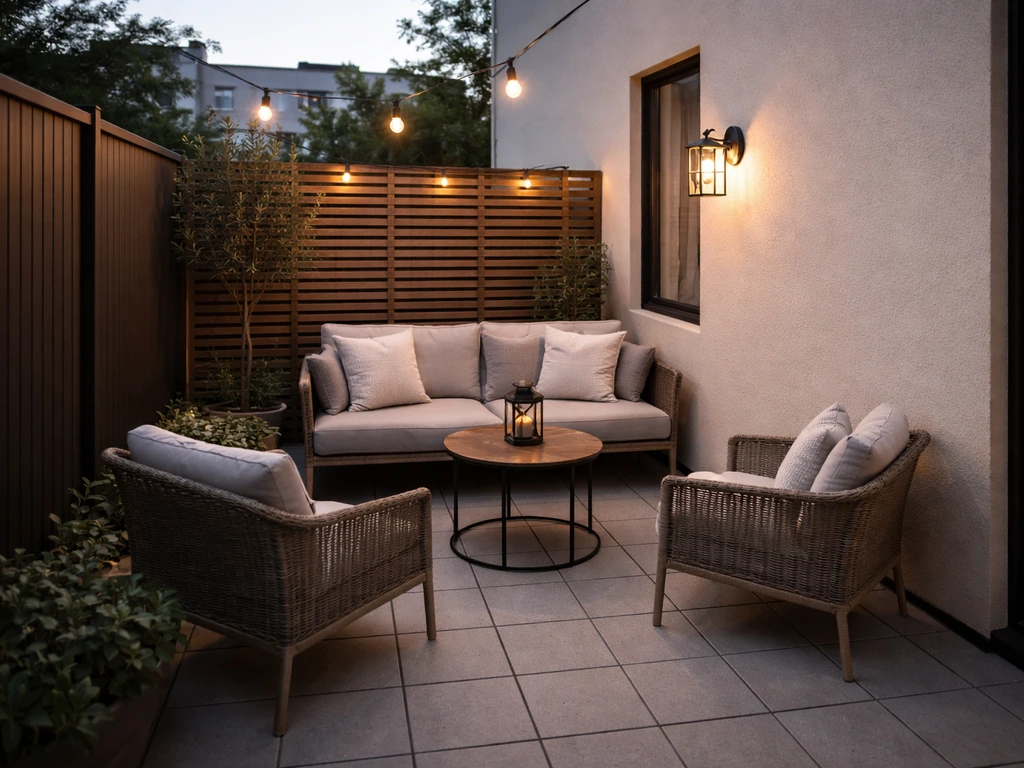
The patio or balcony is the whole point here, so go into reviews with a specific lens. Most renters don't write structured reviews; they describe what bothered or delighted them. Train yourself to pull patio-specific details out of general feedback.
| What to look for | Why it matters | Review language to watch for |
|---|---|---|
| Drainage and water pooling | Poor slope or clogged drainage causes standing water, musty smells, and long-term surface damage | "water pools after rain," "wet floor," "mold smell near door," "leaks through sliding door" |
| Patio surface condition | Cracked concrete, rotting wood decking, or loose railings are safety and livability issues | "crumbling," "splintered," "railing wobbly," "surface never repaired" |
| Privacy from neighbors | Patios with no visual separation feel like common space rather than private outdoor living | "everyone can see in," "no privacy," "neighbor's kids always on my patio" |
| Noise from shared outdoor areas | Pool areas, dumpsters, and parking lots adjacent to patios generate ongoing noise and smell | "loud on weekends," "dumpster right outside," "hear everything from pool" |
| Pest presence near outdoor areas | Ground-floor patios and poorly maintained landscaping invite roaches, rodents, and mosquitoes | "roaches," "ants," "rats near dumpster," "mosquitoes bad in summer" |
| Lighting and security | Unlit patios or poorly lit pathways around the building are a safety concern after dark | "no lights," "dark at night," "felt unsafe walking to my unit" |
| Cleanliness of common outdoor spaces | Overgrown landscaping, overflowing dumpsters, and dirty pool areas reflect on management responsiveness | "trash everywhere," "dumpster always full," "pool never cleaned" |
On the water pooling issue specifically: proper balcony and patio drainage requires a slope of about a quarter inch per foot toward the drain. When reviews mention standing water, musty smells near the patio door, or water intrusion inside the unit after rain, that's almost always a drainage or waterproofing failure, not just bad weather. Balcony standing water and pooling on decks are commonly caused by poor drainage, inadequate slope, clogged drains, or weak waterproofing. For specific guidance on the meadows patio apartments in Parma, you can also scan recent resident feedback for recurring patio usability and upkeep concerns the meadows patio apartments parma reviews. It's a structural issue that management should have addressed, and if multiple reviewers mention it, assume it hasn't been fixed.
Red flags and green flags in resident feedback
Red flags to take seriously
- Multiple reviewers mentioning the same pest issue (roaches, rodents, ants) across different time periods, which suggests ongoing infestation rather than a one-time incident
- Repeated complaints about dumpster overflow, smell, or proximity to living spaces, especially if management responses don't address it
- Reviews mentioning that the property 'looked great on the tour' but conditions deteriorated quickly after move-in, which suggests maintenance responsiveness drops off post-lease
- A pattern of glowing 5-star reviews that read identically, are posted in a short time window, and lack specific detail, these are often solicited or management-written (Yelp explicitly discourages solicited reviews for this reason)
- Reviews describing mold, water damage, or standing water on patios/balconies that management dismissed or took months to address
- Sudden disappearance of negative reviews or a jump in rating with no corresponding explanation, a pattern renters have reported on platforms like Apartments.com
- Management responses that are generic, unsigned, and don't reference the specific complaint
Green flags worth trusting
- Long-term residents (2+ years) who specifically mention the outdoor/patio experience in positive terms, these people have lived through multiple seasons and know if conditions hold up
- Reviews that describe specific maintenance requests being resolved quickly, with named staff members mentioned positively
- Management responses that are signed, address the actual complaint, and offer a direct contact rather than a generic hotline
- Multiple reviewers independently noting that the patio, balcony, or outdoor common areas are clean, functional, and well-maintained
- Reviews from recent move-ins that align with reviews from two years ago, showing consistency rather than a property that's declined
Turn your review research into a tour and leasing-questions checklist
Reviews are pre-research. The tour is where you verify what you found. If you’re trying to gauge a specific place, look up apollo patios reviews to see what current residents are actually saying. Go in with specific items pulled from the review themes you identified, and ask direct questions during the leasing conversation. Here's how to structure both.
On the tour: what to physically check
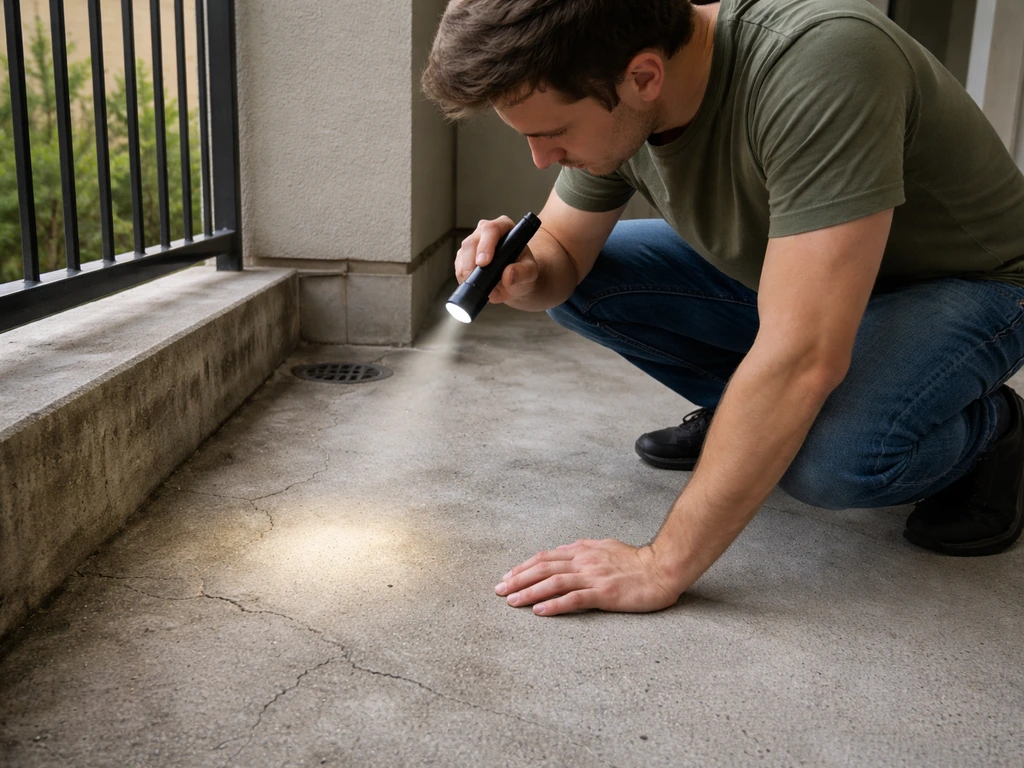
- Walk to the actual unit's patio or balcony, not a model unit's, and check the surface for cracking, staining, or soft spots that suggest water damage
- Look at the patio drainage: is there a visible drain, and does the surface angle toward it or toward the unit door?
- Check the sliding door or patio door seal; push it and see if there's any gap or if the frame shows water staining at the base
- Look up and around at neighboring patios and units; assess how much visual privacy you'd actually have
- Walk to the nearest dumpster enclosure and note the distance from your unit, the smell, and whether it's overfull on a regular tour day
- Visit the outdoor common areas (pool, courtyard, seating areas) and look for maintenance quality: are surfaces clean, lighting functional, landscaping trimmed?
- If reviews mentioned pests, look along baseboards near the patio door and in any corners of outdoor storage for evidence
Questions to ask the leasing office directly
- How do you handle maintenance requests for outdoor areas like balconies and patios, and what's the typical response time?
- Has there been any history of drainage or water intrusion issues on patios in this building?
- How often is pest control done, and is it included in rent or on-request only?
- Where is the dumpster/trash pickup area relative to the unit I'm considering?
- Are there any planned changes to the outdoor common areas or landscaping in the next 12 months?
- Can I speak with or be connected to a current resident before signing?
How to compare options and make a decision fast

If you're weighing a few patio-focused apartment communities against each other, which is common when researching properties like El Patio Apartments, Los Patios, Patio 15, The Meadows Patio Apartments, or similar, the fastest comparison framework is to score each property on the five things that actually determine outdoor-space quality in day-to-day living. Once you do that, you can read el patio apartments glendale reviews to see what recent residents say about the patio experience.
| Factor | What to score (1-3) | Where to find it |
|---|---|---|
| Patio/balcony condition | 1 = multiple complaints, 2 = mixed, 3 = consistently positive | Review platforms, tour observation |
| Pest and cleanliness record | 1 = recurring issues mentioned, 2 = occasional, 3 = no pattern | Review clusters, tour inspection |
| Management responsiveness | 1 = generic/absent replies, 2 = inconsistent, 3 = specific and signed | Google and Apartments.com responses |
| Noise and privacy | 1 = multiple complaints, 2 = some concerns, 3 = reviewers highlight it positively | Review themes, unit placement on map |
| Review recency and volume | 1 = old/thin, 2 = moderate, 3 = recent, high-volume, consistent | Platform review dates and counts |
Add up the scores. Any property scoring 12 or higher across all five factors deserves a serious look. Anything below 8 should require an exceptionally strong reason to move forward, usually a price-to-location trade-off that you've consciously accepted. A property in the middle (8-11) is worth touring but go in with your checklist and ask the hard questions before signing.
One last thing: don't let perfect be the enemy of good. No apartment community has a flawless review record, and a property with honest mixed feedback and responsive management will almost always outperform one with suspiciously perfect ratings and no substantive replies. The goal isn't to find zero complaints; it's to find a community where the outdoor space actually functions the way you want it to, and where management treats problems like problems worth solving.
FAQ
How can I tell if patio apartments reviews are about patios specifically, not just general apartment complaints?
Look for repeated, concrete patio language (sliding-door leaks, standing water, usable seating space, privacy from neighboring patios, pests near doors) and note whether reviewers describe the issue happening in outdoor-hours or during/after rain. If complaints only mention noise, parking, or maintenance delays without connecting to the outdoor area, treat them as weaker evidence for patio quality.
What should I ask during the leasing tour if the reviews mention water pooling or musty smells?
Ask how drainage is handled for that unit type (where the slope directs water, whether there are patio door thresholds, what waterproofing system is used), request to see a recently serviced area or maintenance history for similar complaints, and confirm whether maintenance fixes include re-grading or only cleanup. Also ask whether they can show units with the same patio layout after a rain event.
If reviews mention roaches in ground-floor patios, does that automatically mean all patio units have the problem?
Not necessarily. Concentrate on reviews that specify proximity to patio doors, landscaping contact, mulch, and trash storage, then compare by unit location (corner vs middle, near service walkways, adjacent to dumpsters). A consistent pattern in specific patio placements is a stronger red flag than a single mention spread across unrelated areas.
How do I handle conflicting review themes, for example some people love the patio and others hate it?
Use timeline and unit-geometry clues. Check whether the positive and negative reviews reference the same patio layout and whether complaints started after a renovation, re-paving, or landscaping change. If negativity clusters in one side of the building or after a specific date, it likely reflects a targeted issue rather than the entire community.
Should I trust one platform more than another for patio apartments reviews?
Use the platforms for different strengths. Google Business Profile management replies can indicate whether issues get resolved, while Yelp review filtering can change how star ratings appear. Apartments.com review approval quirks can also affect visibility, so compare themes across at least two sources and prioritize patio-specific recurring details over raw averages.
What are the best signs that a management reply is legitimate versus just defensive?
Legitimate replies usually reference a specific patio-related problem (for example, drainage after rain, balcony sealing, pest treatment schedule), include a concrete next step (inspection date, service performed, follow-up), and match the reviewer’s details instead of repeating a generic apology. If the response avoids the patio topic entirely or only offers a generic phone call, discount it.
If a review says the patio is small or unusable, how can I verify that before signing?
Ask for the exact patio dimensions for your floor plan, request photos or a walk-through of an occupied unit with the same layout if possible, and confirm usable clearance around doors and HVAC placements. During the tour, bring a tape measure mindset, check gate width or steps, and test whether you can realistically place the outdoor items you care about (table, grill space, planters).
What timeline should I use when deciding whether recent patio problems are likely fixed?
Treat recurring complaints within the last 6 to 12 months as current risk, especially for structural patio issues like drainage, waterproofing, and balcony surfaces. If reviews mention a fix, look for follow-up confirmation in later reviews, not just a management statement. A lack of patio-related complaints after a repair window is a better signal than a single “we fixed it” claim.
How do I compare multiple patio apartment communities quickly without getting lost in review volume?
Create a short patio scorecard using only decision-critical factors, such as drainage and waterproofing, usable privacy and layout, pest control near patio doors, maintenance responsiveness for outdoor issues, and surface condition (slipping hazards, cracking, cleanliness). Then scan each property’s most recent reviews for whether each factor is repeatedly confirmed or repeatedly contradicted, and discard generic noise themes.
If the listing photos show a great patio, but reviews are negative, what should I check next?
Verify the patio layout is the same as the unit you’d rent, since corner units, lower levels, and units near landscaping or drains often differ. Ask whether renovations changed patio surfaces, whether certain buildings have better drainage, and whether the negative reviews correspond to specific blocks or floors. Also check if reviews mention “this exact building” or “this side of the property,” which can signal a localized problem.