
To use patio cafe reviews well, you need to do three things: confirm you're looking at the right listing (there are a lot of venues called 'El Patio Cafe' or 'Patio Cafe' across North America), read recent review patterns rather than just the star average, and filter what you find through the lens of your specific goal, date night, casual lunch, big group hang, or whatever brought you here. Do those three things and you'll walk out the door knowing exactly what you're getting into.
Patio Cafe Reviews Guide: How to Pick the Right Place

Jonah Lawson
29 Apr 2026
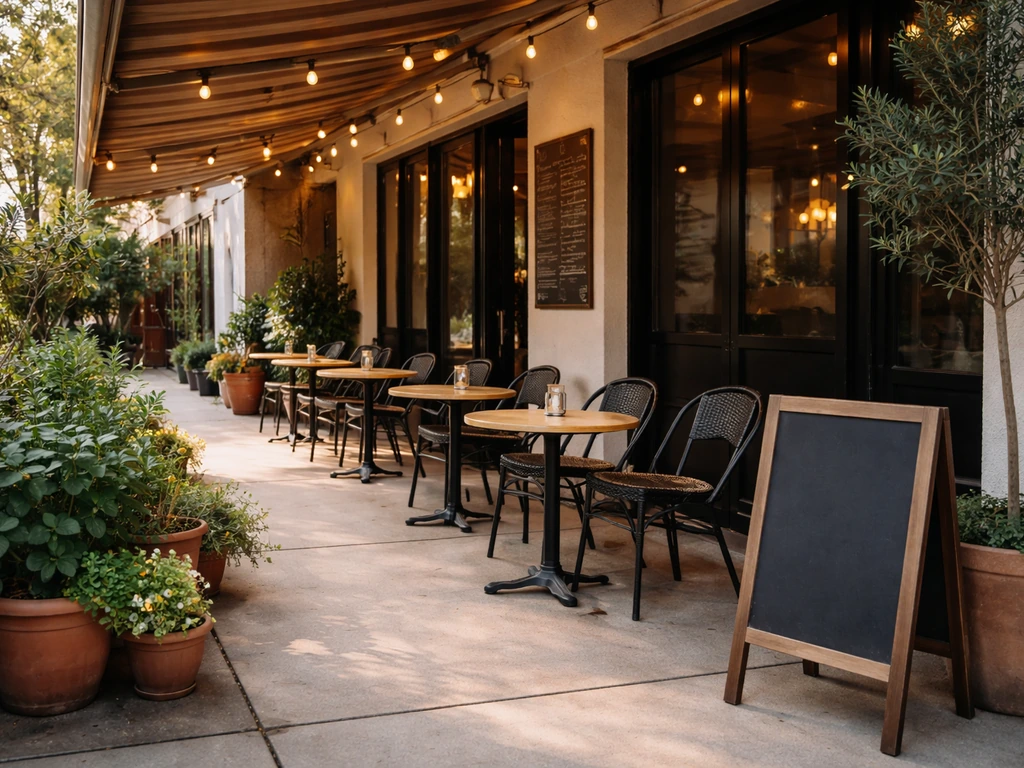
Finding the Right 'Patio Cafe' Listing (Not Just Any One)

This is the step most people skip, and it's the one that causes the most confusion. 'El Patio Cafe,' 'Patio Cafe,' and 'The Patio Cafe' can refer to completely different restaurants in different cities, and on platforms like Yelp or Google Maps you can easily pull up the wrong one. Before you read a single review, make sure you're actually looking at the venue you care about.
On Yelp, type the venue name into the search bar and then immediately add the city or neighborhood. Use the 'All Filters' option on desktop (or the filter icon on mobile) to narrow by location, price range, and the 'Outdoor Seating' filter specifically. That last one matters: it's a structured filter that flags venues with confirmed outdoor seating, which cuts through the noise fast. On Google Maps, cross-check the full street address and confirm the coordinates match the location you're thinking of. The listing's weekly hours should match what you already know (or what the venue's own social media says). If the address or hours feel off, you're probably on the wrong listing.
It's worth noting that sibling searches like 'el sombrero patio cafe reviews,' 'la fiesta patio cafe reviews,' and 'patio cafe new smyrna beach reviews' each refer to distinct venues with their own identities and review histories. A search that feels generic can point you to wildly different places depending on subtle differences in the name or city. If you're specifically searching for patio cafe new smyrna beach reviews, make sure you match the address and outdoor seating details before you trust the rating. Always anchor your search with a street name or zip code when you can.
- Search by full venue name plus city or neighborhood, not just the name alone
- On Yelp, use the 'Outdoor Seating' filter to confirm the venue type
- On Google Maps, verify the street address and weekly hours against any other source you have
- If TripAdvisor pulls up multiple results, check the number of reviews—a well-established venue will usually have a significantly larger review count than a namesake in another city
- When in doubt, check the venue's own Instagram or website to confirm the address before diving into reviews
How to Actually Read Patio Cafe Reviews (Without Getting Misled)
A star rating is a starting point, not an answer. Research consistently shows that rating distributions and review patterns over time are far more useful than a static average. A cafe sitting at 3.9 stars with 400 consistent recent reviews is a better bet than one at 4.3 stars built mostly on a surge of older reviews from three years ago. What you want is reassurance that the place reliably delivers a good experience, not evidence that it had a great month in 2022.
Start by sorting reviews by 'most recent' rather than 'most helpful' or default ranking. Yelp explains that its default “Yelp Sort” combines recency with user voting and other review-quality factors, and it also offers options like “Newest First” and rating-based sorting blank" rel="noopener noreferrer">sorting reviews by 'most recent'. Look at the last 10 to 15 reviews as a cluster. Are they mostly positive, mixed, or trending downward? If there's a pattern, that's your real signal. A handful of recurring complaints in recent reviews (slow service, inconsistent food quality, shade issues on the patio) are worth more than a glowing review from someone who visited on a special occasion.
Watch for bias patterns too. A single 1-star review that reads like a personal grievance or describes a one-off incident (a private event, a staffing crisis) shouldn't tank your confidence. Similarly, a cluster of 5-star reviews posted within the same week can sometimes reflect a promotional push rather than organic experience. Yelp's trust and safety systems flag some of this behavior, but not all of it gets caught. Your job is to look for internal consistency: do reviewers across different months and different occasions tend to describe the same strengths and the same weaknesses? That consistency is the real signal.
Also pay attention to the gap between a reviewer's star rating and what they actually write. Academic analysis of TripAdvisor data has found real inconsistencies between numerical scores and the sentiment expressed in the review text. Someone who gives 4 stars but spends three paragraphs describing noise and slow service is telling you something important that the number alone misses. Read the words, not just the stars.
Green Flags vs. Red Flags in the Review Text
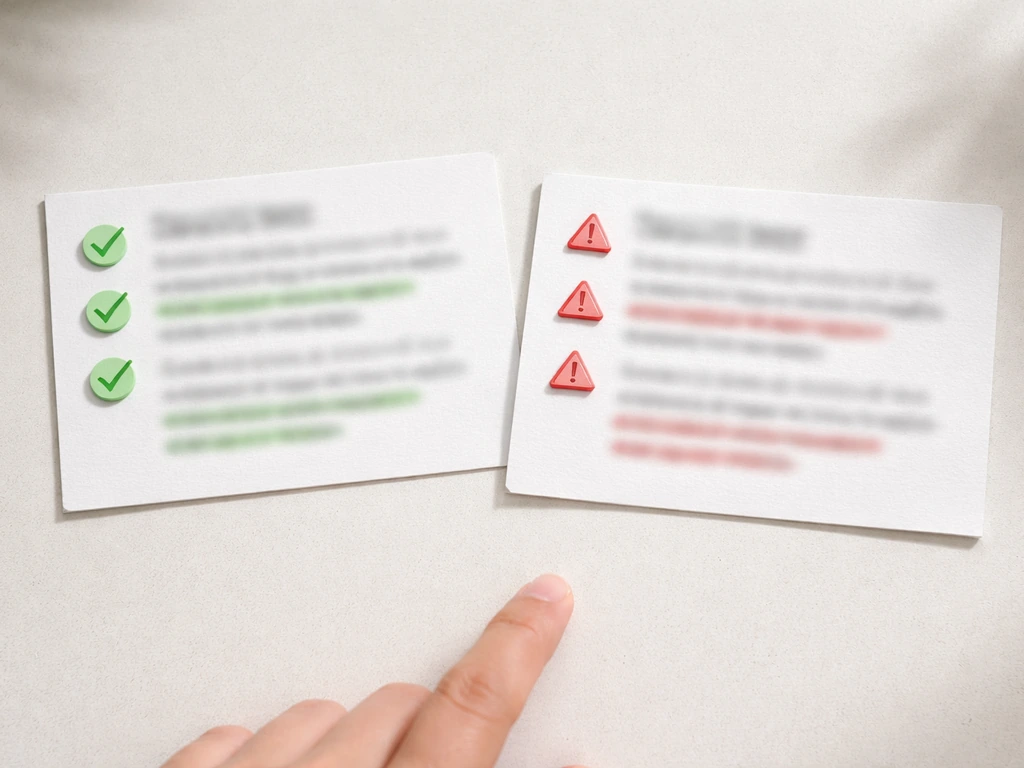
| Green Flag | Red Flag |
|---|---|
| Multiple recent reviews mention consistent food quality | Recent reviews describe a noticeable drop in quality compared to older ones |
| Reviewers across different visits describe the same warm atmosphere | Repeated complaints about a specific issue (noise, slow service) across last 3 months |
| Management responds to negative reviews with specifics, not boilerplate | Management ignores recurring complaints or responds defensively |
| Reviewers mention the same standout dishes by name | Contradictory reviews about basic things like cleanliness or portion size |
| Photos from recent visits match the description in reviews | Most photos are old; recent reviews don't include images |
Patio-Specific Details That Actually Matter
Not all outdoor seating is created equal, and this is where patio cafe reviews really earn their keep if you know what to look for. If you want, you can also look for patio com reviews that highlight outdoor seating comfort and service on the same visit. There's a big difference between a fully covered patio with ceiling fans and misters, a semi-covered pergola with partial shade, and a completely open rooftop that turns into a sauna by noon in July. Reviews will tell you which category the place falls into if you look for the right words.
Search the review text (most platforms let you keyword-search within a listing's reviews) for words like 'shade,' 'covered,' 'umbrella,' 'heat lamp,' 'misting,' 'rooftop,' and 'open air.' Reviewers who care about patio comfort tend to be very specific about these things. If a patio gets afternoon direct sun in summer and no one mentions shade options, assume there aren't any. If multiple reviewers mention heat lamps in cooler months, that's a useful detail for a spring or fall visit.
Noise is another patio-specific factor that reviews handle better than any official description. A patio on a busy street, near a live music stage, or adjacent to a parking lot is going to be loud. That might be exactly what you want for a lively group outing, or it might be a dealbreaker for a quiet conversation over lunch. Look for whether noise complaints appear consistently and at what times. Noise at Friday night peak hours is different from noise every day at lunch.
Service on a patio can also differ from indoor service at the same restaurant. Some venues staff their patio differently, and reviews often reflect this: longer waits between drink refills, slower food delivery to outdoor tables, or less attentive check-ins compared to indoor diners. If recent reviews consistently mention this, factor it into your expectations, especially for a longer meal.
What Reviews Tell You About Food and Drinks
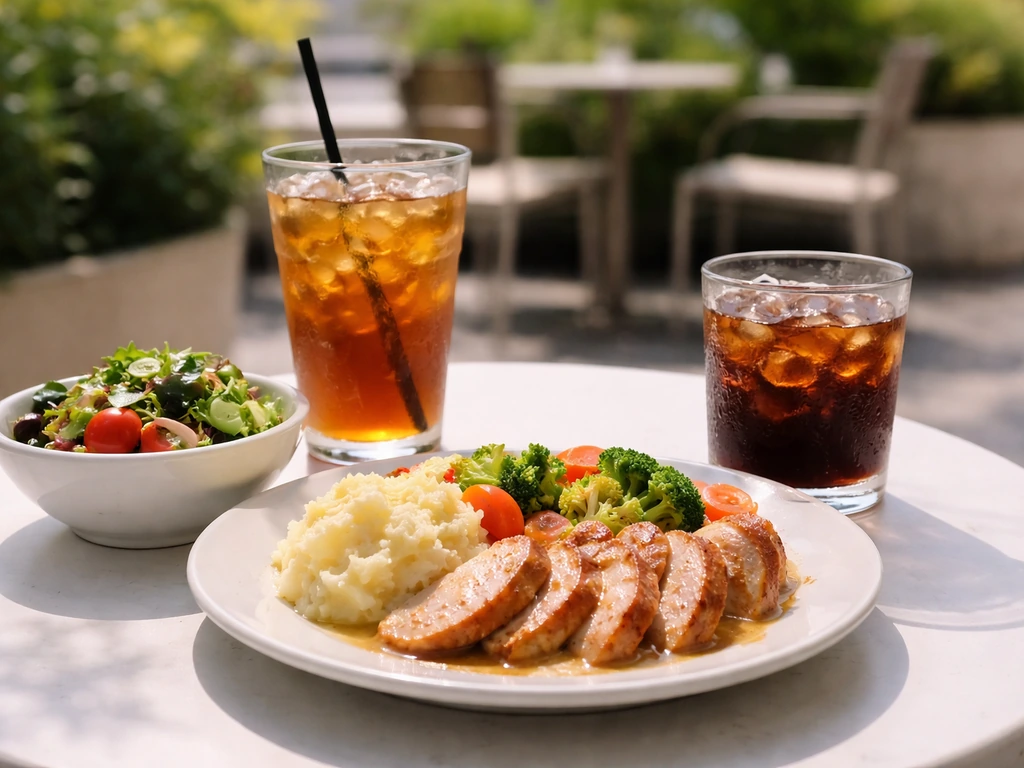
Reviews won't give you a menu, but they'll give you a pretty reliable picture of what to order, what to skip, and whether the kitchen is consistent. The best signal here is specificity: when multiple reviewers name the same dish as a highlight, that dish is almost certainly a reliable order. When multiple reviewers in recent months mention that a formerly great dish has slipped, pay attention to that too.
For patio cafes specifically, look for mentions of portion size relative to price, since outdoor dining often comes with a slight premium and some venues don't always justify it. Drink quality and consistency matter too, especially if the patio has a full bar or a specialty cocktail menu. A strong bar program tends to get called out enthusiastically in reviews, as does a weak one.
Pay close attention to how reviews describe timing and pacing. There's an important distinction between waiting to be seated, waiting after being seated to order, and waiting for the food itself. Reviews that mention a 20-minute wait on a Saturday afternoon are describing something very different from reviews that mention food taking 45 minutes after ordering. Both affect your experience, but they affect it differently. Research consistently shows that wait-time complaints correlate with lower overall ratings, so if you see them in recent reviews, treat them as a real operational signal, not just impatience.
Matching the Vibe to Your Actual Plan
The same patio cafe can be perfect for one purpose and completely wrong for another, and reviews will tell you this if you read them with your specific goal in mind. Before you look at any reviews, decide what you're actually trying to do. Then filter what you read through that lens. Yelp's engineering team describes a data-driven approach where search filters (like an intent such as “outdoor-seating”) are ranked using engagement and selection signals to find the most relevant options for a query filter what you read through that lens.
| Your Goal | What to Look For in Reviews |
|---|---|
| Date night | Mentions of lighting quality at night, noise level, intimate table spacing, cocktail quality, and whether the patio feels romantic or hectic |
| Casual lunch with a friend | Mentions of quick service, lighter menu options, how busy it gets on weekdays vs weekends, and whether walk-ins are easily accommodated |
| Group outing (4+ people) | Mentions of large table availability, group reservation experience, noise tolerance, and whether the staff handles bigger parties well |
| Nightlife or live events | Mentions of event nights, music quality, bar-focused crowd, and how the patio transitions from dinner to late-night vibe |
| Family with kids | Mentions of family-friendliness, space between tables, outdoor play areas if any, and whether the menu has kid-friendly options |
Management responses are actually useful here too. If a venue consistently responds to family-focused reviews or event-night reviews, it tells you they know what their audience looks like and they're leaning into it. A patio cafe that engages with reviews about live music nights is signaling that nightlife is part of their identity. A venue that responds warmly to reviews about anniversary dinners is telling you they take the date-night experience seriously.
Some venues shift dramatically by day of week or time of day. A patio that's peaceful and perfect for a slow Saturday brunch might turn into a packed, loud bar scene by 8 PM on the same day. Reviews sorted by recency and read with this in mind will usually surface that contrast if it exists. Look for reviewers who mention specific days or times and pay attention to whether the experience they describe matches your plan.
Your Pre-Visit Decision Checklist
Before you commit to going, run through this checklist. It takes about ten minutes and will save you from showing up to the wrong place or the wrong experience.
- Confirm you're on the right listing: match the street address and current hours to at least one outside source (the venue's website, social media, or a phone call)
- Check the review count and recency: aim for at least 20 to 30 reviews, with a meaningful portion from the last 3 months
- Sort by most recent and read the last 10 to 15 reviews as a cluster: note what themes repeat
- Keyword-search reviews for your patio priorities: 'shade,' 'covered,' 'heat lamp,' 'noise,' 'wait,' 'service'
- Identify 2 to 3 dishes or drinks that multiple recent reviewers name specifically: those are your safe orders
- Check whether management responds to reviews, especially negative ones, and whether their responses are specific or generic
- Confirm your visit timing: weekday lunches and off-peak weekend hours (before noon or after 2 PM) generally mean shorter waits and more relaxed patio service
- If you have a large group (4+) or a specific occasion, call ahead or check for reservation options: weekend patio seating at popular venues fills up, and walk-in congestion is real
- Check for any recent mentions of events, private bookings, or seasonal menu changes that might affect your experience on the day you're planning to go
- Make a call if anything feels uncertain: a 30-second phone call to confirm hours, patio availability, or reservation options is almost always worth it
The goal of all this isn't to over-research a lunch spot. It's to spend ten focused minutes so you walk in with confidence rather than a vague hope it'll be good. Patio dining at its best is one of the great simple pleasures, whether you're at a lively neighborhood taqueria or a more polished rooftop spot. Good reviews, read the right way, are your shortcut to getting that experience on the first try.
FAQ
How do I use patio cafe reviews when I’m planning a date night (not just a regular meal)?
Yes. If you want a date-night patio, filter reviews to recent weekends and look for mentions of pacing, conversation-friendliness (noise level), and whether servers check in regularly without rushing. Also ignore “special occasion” reviews that do not mention the patio specifically, since some teams seat guests differently for events.
Do patio cafe reviews change a lot by season, and how can I account for that?
Look at recency and look for repeatable wording around the exact patio conditions you care about (shade, fans, umbrellas, misting, rooftop exposure). If the most recent complaints describe weather-related discomfort, treat older “it’s great outdoors” reviews as less relevant for your season and time of day.
What should I do if patio cafe reviews are mixed, with some saying it’s amazing and others calling it a disaster?
When you see contradictory notes, split the review reading by time-of-day. For example, if brunch reviews praise the patio but evening reviews complain about heat or noise, you’re likely seeing the same space used differently. Cross-check the dates and the reviewer’s described visit window before concluding the place is inconsistent.
How can I tell if I’m reading reviews for the correct location when there are multiple “Patio Cafe” restaurants?
If the venue has multiple locations, rely on the full address and confirm the outdoor seating is at that specific listing. Also avoid using review snippets that sound right but are attached to a different “Patio Cafe” listing. A quick address match plus a filter for outdoor seating is usually enough to prevent the most common mix-up.
Should I trust a single terrible patio cafe review, or is it usually an outlier?
Don’t over-weight one-off reviews that reference unusual circumstances (private events, staff shortages, one extremely specific complaint) unless other recent reviews echo the same issue. Use the “last 10 to 15” cluster approach and check whether the concern repeats across months, not just within a single week.
How do I figure out whether slow service is about seating, ordering, or food timing?
Search within reviews for service-related terms that map to your bottleneck: “wait to be seated,” “wait for drinks,” “food took,” “slow at patio,” “refills,” “server didn’t check,” and “order took.” Then compare whether reviewers describe delays before ordering, after ordering, or during delivery to the outdoor tables.
How should I interpret patio cafe reviews about portion size and value?
When portion size comes up, look for comparisons like “smaller than expected for the price,” or “generous portions for the cost.” If only a few older reviews mention it and recent reviews do not, treat it as a less reliable signal. For patio dining premiums, also look for consistent dish names being praised or criticized repeatedly.
What should I look for in patio cafe reviews if I’m going with kids or a larger group?
If you’re bringing a child or going with a family group, look for mentions of staffing responsiveness at outdoor tables, whether kids are comfortable in the patio setup, and whether the restaurant handles family schedules without long gaps between courses. Then check management responses to family or group-themed reviews as a proxy for whether they understand that audience.
How can I tell from patio cafe reviews whether the bar and drinks are actually reliable?
For patios with bars or cocktail menus, prioritize reviews that mention drink consistency on multiple visits, not just one signature drink. If you see repeated notes about watered cocktails, long waits for bar service, or inconsistent presentation on patio tables, factor that into your expectations for ordering pace.
Is it safe to rely on keyword searches inside patio cafe reviews, like “shade” or “misting”?
Be careful. Keyword searches can miss context, and some platforms show “helpful” reviews that may not be representative. Use recency first, then keyword search, and confirm that the reviewer describes the patio conditions in the same time frame you plan to visit.
Why do patio cafe reviews sometimes say the patio service is worse than indoor service?
Yes, because some patios are staffed differently and seated differently. If recent reviews repeatedly complain about slower outdoor drink refills or less attentive check-ins compared to indoor diners, assume patio service will be your baseline and adjust your plans (ordering strategy, timing expectations).
How do I figure out whether the patio vibe changes by day of week or time?
Use the reviewer’s details as a decision aid. If they mention the exact day (Thursday, Saturday), the approximate start time, and the resulting vibe (quiet, busy, live music), that’s more useful than general praise. If you don’t see time-specific patterns, default to going earlier in the day for calmer patio experiences.