
If you searched 'patio drive-in reviews,' you're most likely looking for one of two things: reviews of a specific venue called something like 'Patio Drive-In' (a real restaurant name that exists in places like San Andreas, California), or you're researching the experience of a drive-in style outdoor venue where you pull up, park, and enjoy food, drinks, or entertainment from an open-air setting. Either way, the review-reading strategy is the same: find the exact venue, check recent pattern-based feedback, and match the experience to what you actually want before you drive out there.
Patio Drive in Reviews: How to Identify and Judge the Right Venue

Jonah Lawson
29 Apr 2026
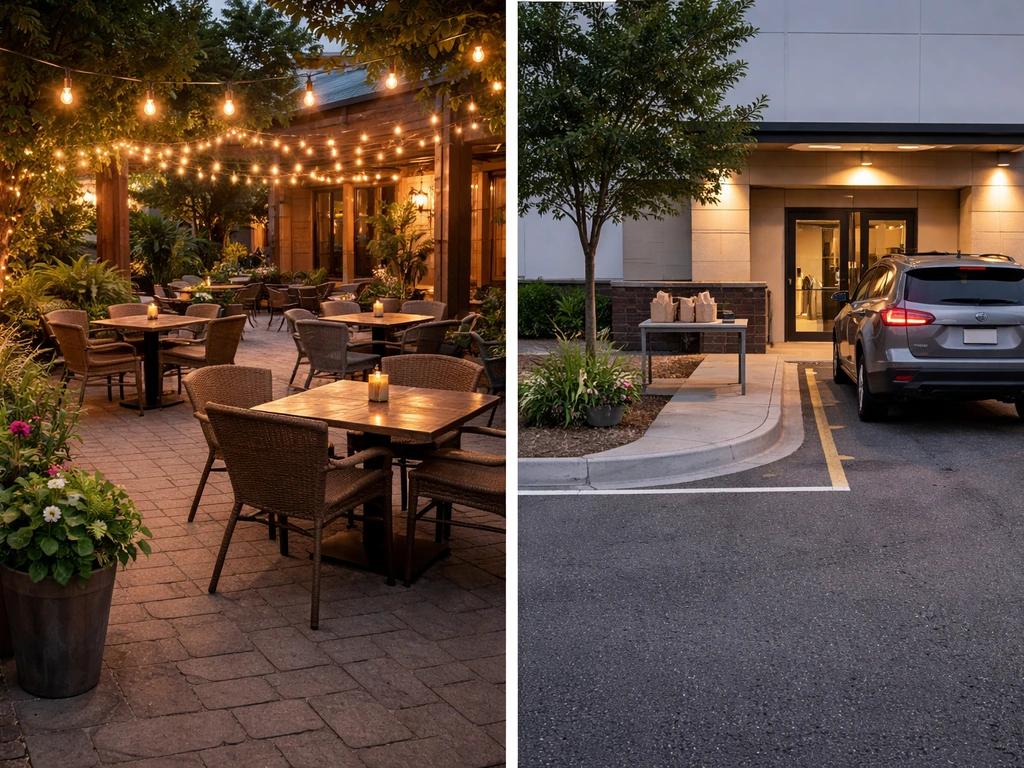
What 'patio drive-in' probably means for your search
The phrase mashes together two distinct venue types, and knowing which one you're dealing with changes everything about how you read reviews. The first possibility is a named restaurant or dining spot that literally calls itself a 'Patio Drive-In,' with actual seating areas, a menu, and a parking-lot-adjacent dining experience. The second is a drive-in theater or entertainment venue that happens to have a patio or outdoor social component, where the main draw is a movie screen or live event rather than table service.
Here's a practical tip that saves time: when you see a review page labeled 'AttractionReview' on a platform like blank" rel="noopener noreferrer">TripAdvisor, you're almost certainly looking at a drive-in theater (outdoor movie, cars parked facing a screen). When it says 'Restaurant_Review,' you're looking at a dining spot. That small label distinction is one of the fastest ways to confirm you've found the right type of venue before you read a single review.
Drive-in theaters also operate under very different rules from patio restaurants. Many explicitly prohibit outside food and drinks, require you to arrive early for good parking, and have etiquette expectations like keeping lawn chairs between your vehicle and the screen. A patio restaurant, on the other hand, is evaluated on table availability, food quality, and atmosphere. Confusing the two can mean showing up expecting brunch and finding a movie lot, or vice versa.
How to lock down the right venue before reading anything else
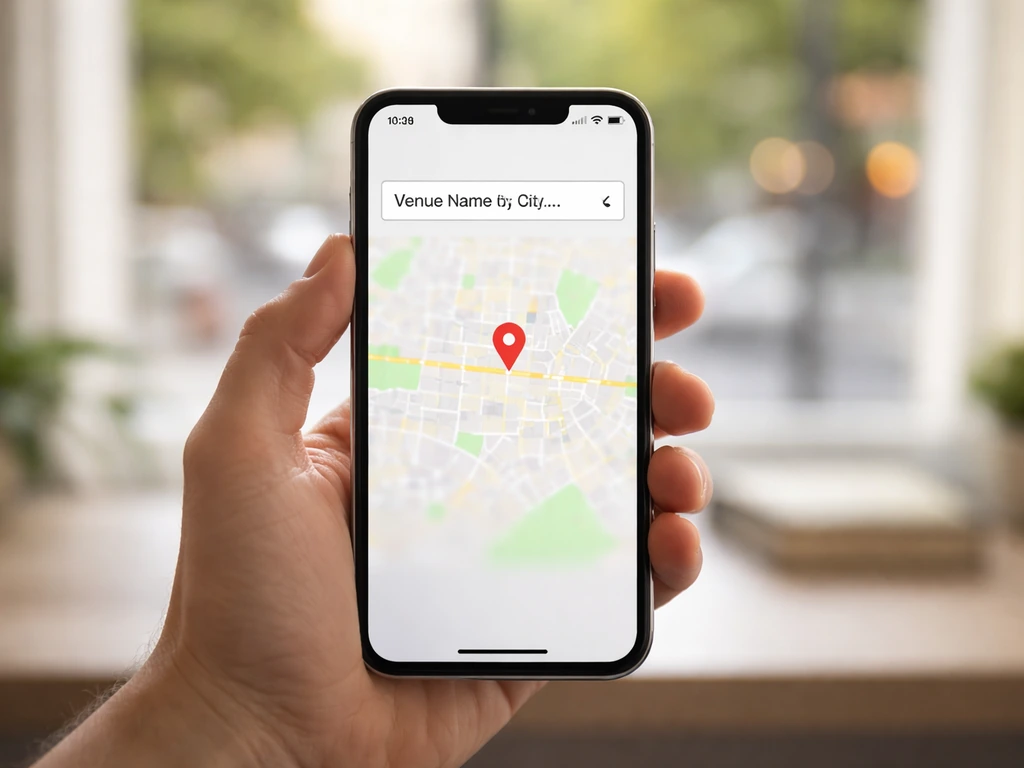
Start with the full venue name plus city or neighborhood in your search. 'Patio Drive-In San Andreas' will get you somewhere specific. 'Patio drive-in reviews' on its own can pull up everything from a burger stand in a small California town to a classic outdoor movie theater in Florida. If you are looking for patio nightclub reviews, use the venue name plus the city to narrow results and compare like-for-like experiences patio drive-in reviews.
If you're also comparing specific venues, you can use the patio drafthouse reviews to narrow down the best match for your night out patio nightclub reviews. The more specific you are up front, the less time you waste reading reviews for the wrong place. Once you have the venue narrowed down, you can also compare patio park reviews to spot what tends to be consistent for that kind of outdoor stay.
- Search the venue name with its city or zip code to confirm you have the right location.
- Check the venue category (restaurant, bar, attraction, nightclub) before reading reviews.
- Look for a physical address and cross-check it on a map to make sure it matches your intended destination.
- Confirm the venue type matches your plan: outdoor dining, drive-in theater, patio bar, or social club.
- If the name is generic, look for a photo of the exterior or seating area to visually confirm.
This site is built specifically around patio venues across North America, so if you're hunting for a patio restaurant or bar with a drive-up or outdoor experience, search here first by name and location. If you are specifically comparing the patio district reviews, this approach makes it easier to spot recurring quality and service issues across similar outdoor venues. You'll get reviews filtered to exactly the kind of outdoor seating, atmosphere, and food-and-drink experience that matters for a patio visit, rather than sifting through theater event listings.
What actually makes a patio drive-in review worth trusting
Not all reviews are equally useful. A five-star review that says 'great vibes!' tells you almost nothing. A four-star review that describes the shade coverage, the wait time at the order window, the noise level from the street, and whether the food arrived hot gives you something you can actually plan around. When you're evaluating a patio or drive-up venue specifically, here are the quality signals worth looking for.
- Outdoor seating setup: Are there covered areas, umbrellas, or heaters for variable weather? Does the reviewer mention comfort during heat, rain, or wind?
- Atmosphere details: What's the crowd like? Is it loud, family-friendly, or more of a late-night scene?
- Service speed: For drive-up or order-window style venues, did food come out quickly and accurately?
- Food and drink quality: Are specific dishes or drinks mentioned by name? Vague praise is less reliable than specific callouts.
- Value: Does the reviewer feel the price matched the experience, especially for outdoor or novelty-style dining?
- Cleanliness: Outdoor spaces get dirty fast. Reviewers who mention table conditions or restroom cleanliness are giving you real signal.
- Parking and access: Is there enough parking? Is it easy to navigate, especially if drive-up is part of the experience?
- Weather readiness: Does the venue handle a sudden drizzle, afternoon sun, or cold evenings gracefully?
The best reviews for patio venues feel almost like a walkthrough. They describe arriving, where they sat, what the space looked like, what they ordered, and whether they'd go back. If a review reads like that, it's worth weighing heavily regardless of the star rating.
Red flags and deal-breakers to watch for
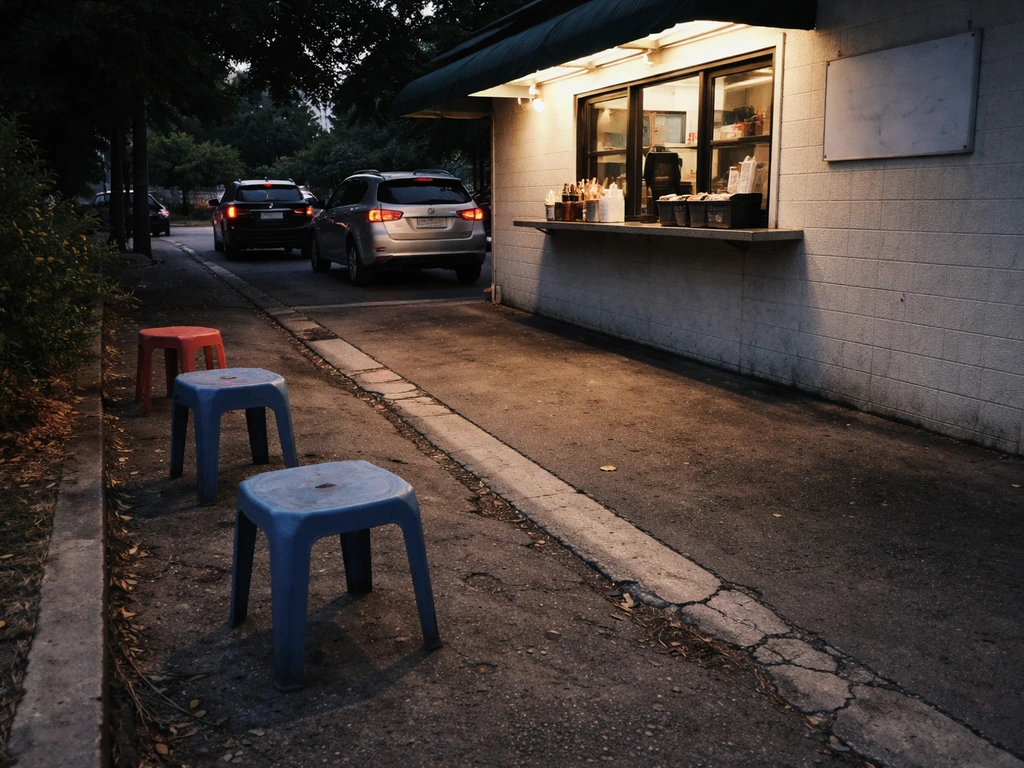
Outdoor and drive-up venues have specific failure modes that indoor restaurants don't. Knowing what to flag in reviews helps you spot problems before they become your problems.
- Multiple reviewers mentioning long waits at the order window or pickup area with no explanation or improvement over time.
- Consistent complaints about wrong orders or missing items, especially if drive-up speed is part of the venue's appeal.
- No shade, no heaters, and no backup plan for bad weather mentioned across several reviews.
- Parking chaos or difficult entry/exit described repeatedly, not just once.
- Reviewers noting the outdoor patio is really just a few tables on a sidewalk with no real atmosphere, when you expected a full patio experience.
- Noise complaints that make conversation impossible, especially if this is supposed to be a social or dining space.
- Cleanliness issues mentioned in more than one or two reviews, particularly for outdoor furniture, bathrooms, or food prep areas.
- Seasonal closures or inconsistent hours that multiple reviewers got caught by.
One bad review about a cold burger on a busy Saturday is usually just bad luck. Three reviews over six months all mentioning cold food and slow service at the window is a pattern. That's the distinction that matters.
How to read reviews for patterns, not just scores
Star ratings are a starting point, not a conclusion. An AMA research insight also notes that consumers may perceive star ratings as higher than numeric scores, which matters when interpreting the rating you see star ratings are a starting point.
A ScienceDirect study on Yelp star-ratings shows how different rating bands relate to reviewer content themes and helps frame how reviews differ by rating level different Yelp star-rating bands relate to reviewer content themes. A venue with a 4.
1 average across 200 reviews is more reliable than one with a 4. 8 average from 12 reviews. What you want to find are patterns, and those only show up when you read across a sample of reviews, not just the most recent one or the most dramatic one.
- Filter for reviews from the last three to six months first. Venues change, and a glowing review from 2022 may not reflect current ownership, menu, or service quality.
- Read the three-star reviews carefully. These tend to be the most honest because the reviewer wasn't thrilled enough to rave or angry enough to vent.
- Look for the same detail mentioned repeatedly across different reviewers. If five people independently mention the shaded pergola or the excellent margaritas, that's real.
- Separate one-off complaints (unusual event, bad weather day, single rude staff member) from recurring issues (slow service every weekend, consistently weak pours, always crowded with no overflow seating).
- Watch for review bias: venues that incentivize reviews with discounts or loyalty perks sometimes inflate their scores. If every positive review sounds nearly identical, be skeptical.
- Check if management responds to negative reviews. A response that acknowledges the issue and describes a fix is a good sign. Defensive or dismissive responses are not.
This kind of pattern-reading is the difference between picking a venue confidently and showing up hoping for the best. It takes maybe ten extra minutes and it's almost always worth it, especially for outdoor and drive-up spots where the experience is more dependent on conditions you can't control.
Compare: what strong vs. weak patio reviews actually look like
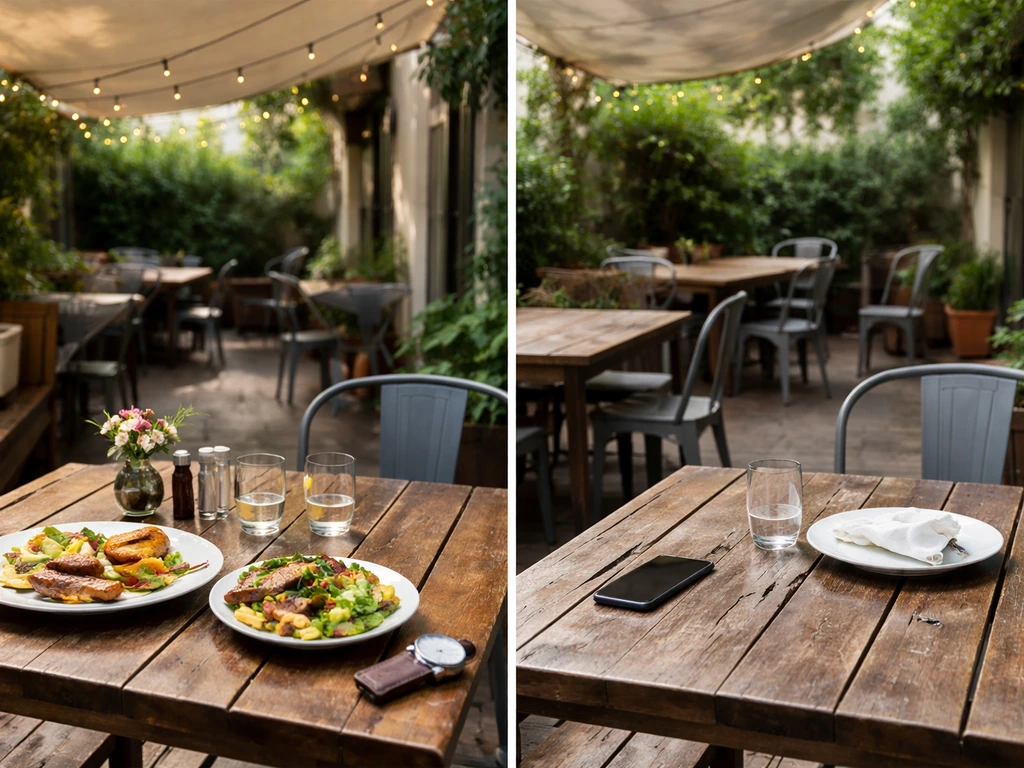
| Feature | Strong Review Signal | Weak Review Signal |
|---|---|---|
| Specificity | Names dishes, describes seating area layout, mentions wait time in minutes | Says 'food was great' or 'nice place' with no details |
| Weather/comfort | Mentions heaters, umbrellas, or how venue handled a rain shower | No mention of outdoor conditions at all |
| Service speed | Describes how long the drive-up order took and whether it was accurate | Vague comment like 'service was fine' |
| Atmosphere | Describes crowd noise, music, lighting, and vibe at a specific time of day | Generic 'good vibes' or 'fun atmosphere' |
| Recurrence | Part of a pattern seen in 5+ other reviews from recent months | Single outlier with no corroboration |
| Credibility | Reviewer has multiple reviews and a profile photo | First-time reviewer with no history |
| Management response | Owner acknowledges issues and describes changes made | No response, or a defensive dismissal |
Quick checklist before you actually go
Once you've done your review research and you're leaning toward going, run through this before you leave the house. It takes two minutes and prevents the most common disappointments at patio and drive-up venues.
- Parking: Is there dedicated parking? Do reviews mention it being full on weekends or during events? Is there street parking nearby as a backup?
- Seating: Does the venue take reservations for outdoor seating, or is it first-come? Do reviews mention long waits for patio tables on busy nights?
- Weather: Check the forecast. Does the venue have covered seating or heaters if it cools down or rains? Reviews should tell you this.
- Access: Is the venue accessible for strollers, wheelchairs, or mobility aids? Outdoor venues vary widely here.
- Hours: Confirm current hours directly (call or check the venue's own website), not just what's listed on a review platform, which can be outdated.
- Age or dress restrictions: Some patio nightclubs or social clubs have age minimums or dress codes for evening events. Confirm before going.
- Event nights: Is there a live band, trivia night, or private event that might change the atmosphere or limit seating?
- Drive-up logistics: If you're doing a drive-up order, know the entry point, whether you need an app, and whether pickup is curbside or window.
How to make your decision and what to do right now

At this point you should have a specific venue name and location confirmed, a read on its recent review patterns, and a sense of whether the complaints are deal-breakers or just noise. Here's how to close the loop and actually decide.
- Call or message the venue to confirm hours, reservation policy, and any event nights coming up. A two-minute call can save a wasted trip.
- Ask specifically about outdoor seating availability if it's a priority. Many patio venues hold back patio tables for walk-ins and can't guarantee them on a reservation.
- If it's a drive-up or takeout-style venue, ask whether there's a wait on busy days and whether online ordering is available.
- Check the venue's social media (Instagram especially) for photos from the last few weeks. This gives you a current, unfiltered look at what the space actually looks like right now.
- If reviews are mixed but recent positives outweigh recent negatives, give it a fair shot, especially for lunch when crowds are lighter and the experience is easier to control.
- If you're still on the fence, look at comparable patio venues in the same area. Venues like The Patio Social Club, Patio Park, or The Patio District (if they're in your region) might offer a similar outdoor social experience worth comparing.
The goal isn't a perfect venue. It's finding one where the real experience matches what you read about. If reviews consistently say 'the patio is the reason to come here' and you want a great outdoor space, that's your venue. If you need specifics, check the patio social club reviews next to confirm the food, seating, and overall vibe line up with what you want.
If reviews say 'it's fine but basically just a parking lot with tables,' and you want atmosphere, keep looking. Trust the patterns, confirm the basics, and go enjoy the patio. If you want deeper patio theater reviews, focus on repeated details about screen time, sound quality, and how well the venue handles arriving and parking.
FAQ
How can I tell if “Patio Drive-In reviews” are for the wrong location?
Yes. If the venue name matches but the city differs, you may be reading reviews for a different location that shares a similar branding. Always verify the street or neighborhood, and check the reviewer’s “recently visited” date plus the photos, since the layout and service rules can change a lot between branches.
What should I look for in reviews to confirm the patio or drive-in part actually worked?
Look for evidence tied to the patio experience: mentions of seating placement (shade, wind protection), order method (walk-up, table service, drive-up window), and delivery temperature (arrived hot/cold). If most details focus only on the food with no patio specifics, treat it as lower-signal for your outdoor visit.
Are cold food or long waits always a sign the venue is bad?
Don’t rely on one-off bad reviews for weather-sensitive issues. For patio and drive-up venues, note whether complaints reference specific conditions (rain, high winds, peak hours) and whether other reviewers describe the same problem at similar times. If only one reviewer mentions the issue, it is more likely a moment than a pattern.
How do I compare reviews written at different times of day or seasons?
Yes, especially for outdoor seating. Favor reviews that include when the reviewer went (time of day, day of week, season) and what it felt like (noise, street proximity, lighting, crowding). A “great at sunset” review might translate to a different experience for a late-night visit.
What are the most common rules that differ between drive-in venues and patio restaurants?
For drive-in style venues, outside food rules and parking guidance matter. If reviews mention security checks, prohibited outside drinks, or “arrive early for parking,” assume those policies are enforced. For patio restaurants, focus more on reservations, table availability, and wait times for seating.
How should I weigh star ratings versus the detail level in reviews?
Check for conflicts between star rating and detail quality. A very high rating with vague praise may not help. A slightly lower rating with specific planning details (shade, wait at the pickup window, whether items arrive together, noise level) usually predicts your experience better.
Should I compare reviews based on patio comfort or drive-up logistics?
It depends on what you are comparing. If you only need the best patio vibe, compare reviews that mention seating, comfort, and atmosphere. If you care about the “drive-up” logistics, prioritize reviews that describe parking flow, how ordering works, and how long food takes from order to arrival at the car.
What review patterns should make me avoid a patio or drive-up venue?
Yes. If reviewers repeatedly mention ordering errors, missing condiments, or refunds being delayed, that is a service-process red flag. For patio dining, recurring issues like slow table service or frequent “we were out of X” also matters, especially if multiple reviewers cite the same pattern.
How far back should I read reviews before deciding?
Use time windows: compare “recent months” reviews for trend direction, then scan older reviews for whether the problems are recurring long-term. If the same complaints show up across a year, it is likely structural. If issues only appear in a short burst, it may be staffing, construction, or a temporary menu change.
What’s the fastest way to verify the category when listings look confusing?
If the listing is labeled generically, confirm whether it is truly a drive-in theater versus a patio dining spot. On many platforms, the category label and photo set (screen versus tables) provide the quickest check. When in doubt, open the venue page photos and look for a screen, speaker setup, or parking-lot layout.
What quick steps should I take to avoid disappointment after reading reviews?
Before you go, match your plan to the likely constraints. If reviews suggest limited shade or strong street noise, choose a time that mitigates it or bring a small item like a portable fan or earplugs. If it is drive-up style with tight parking, plan for earlier arrival and expect a slower peak-hour order window.