
When you're scanning patio theater reviews, the details that matter most are sightlines and sound quality, how staff handle food and drink service during the show, whether the venue has a real weather backup plan, and how recent those reviews actually are. A venue with a five-star average from three years ago and zero reviews this season tells you almost nothing useful. Here's exactly how to read those reviews, what to search for, and what red flags to walk away from before you book.
Patio Theater Reviews: How to Read Ratings and Choose a Venue

Jonah Lawson
29 Apr 2026
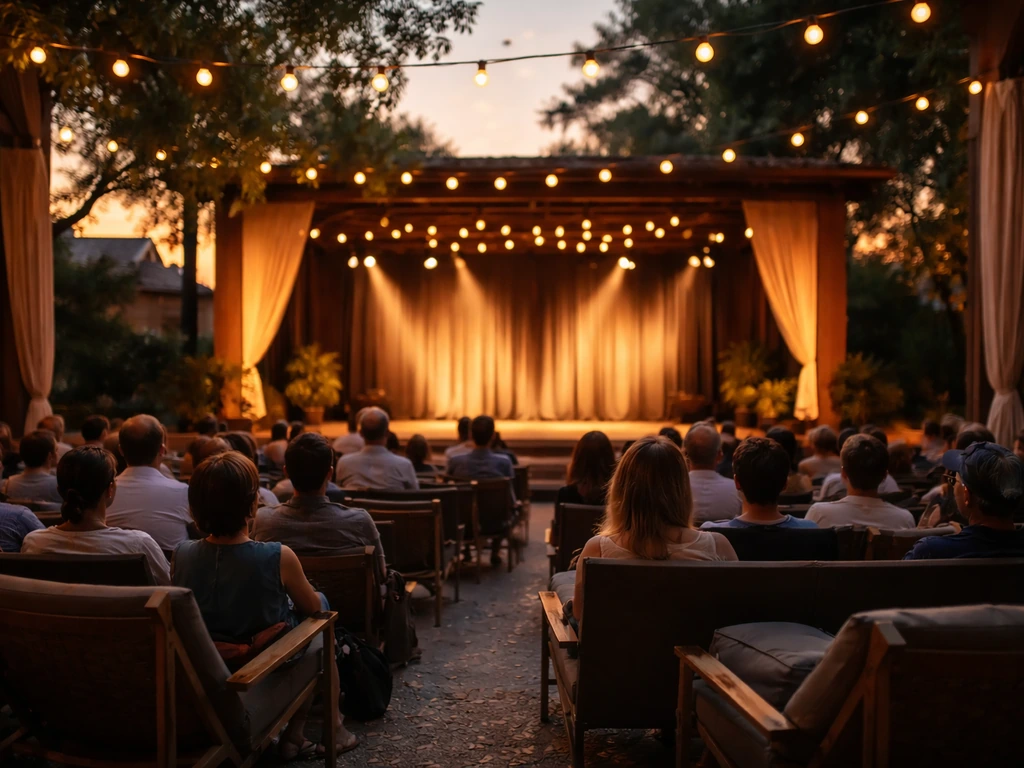
How to use patio venue reviews to choose the right spot
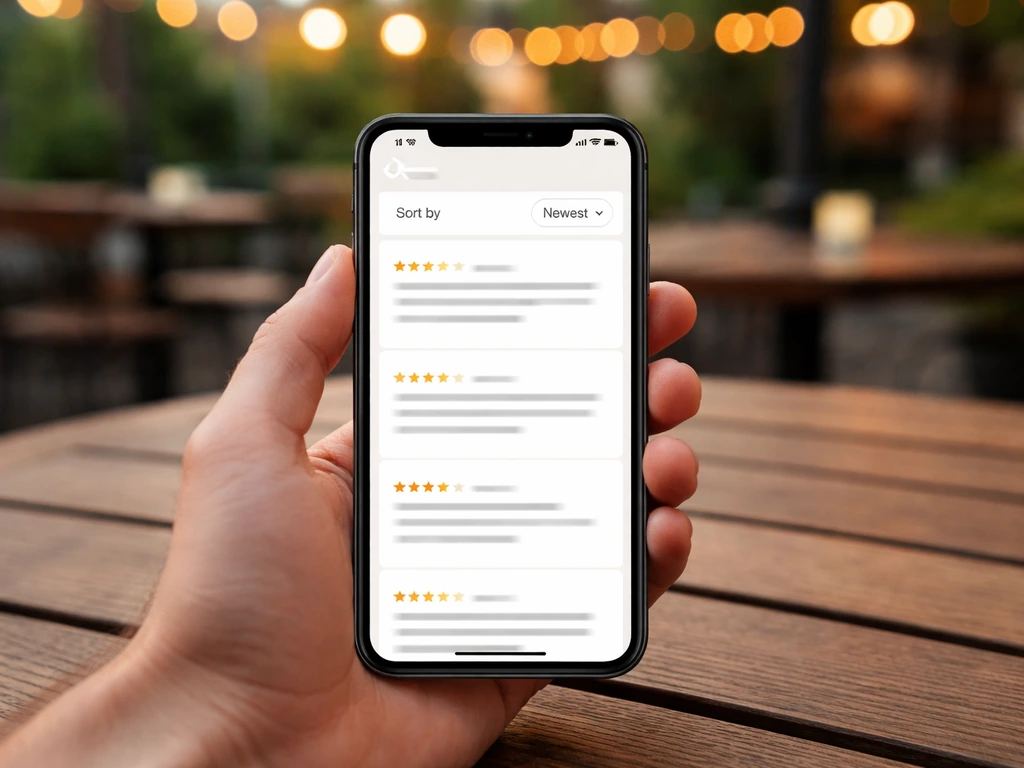
Patio theater venues sit at a unique crossroads of dining, drinking, and live performance. That means generic restaurant reviews and generic concert reviews both miss the point. You need feedback from people who were actually there for a show, sitting in a specific section, dealing with the same server timing, the same sound system, and the same 9 p.m. wind that knocked over their drink. The good news is that most major review platforms give you tools to get exactly that information, if you know where to look.
Start by sorting reviews by most recent, not most helpful. Platforms like Tripadvisor have a 'Sort by: Most recent' control right in the reviews section. Use it. A venue can improve its sound system or completely tank its service in a single season, and a two-year-old review won't catch that. On Ticketmaster, fan reviews are typically posted within 72 hours of the event and are tied to verified ticket purchases, so they tend to reflect what's actually happening right now. Cross-referencing two or three platforms gives you a much clearer picture than any single source.
On this site, use the search and filter tools the way you'd use a checklist, not just to find a venue name. Search for terms like 'patio show,' 'outdoor performance,' or 'live music patio' to surface venues that have actual stage or performance programming baked into the patio experience. That's a different animal from a patio bar that occasionally has a DJ, and the reviews will reflect that difference. Related venue types like patio drafthouse spaces and patio drive-in venues can overlap in experience, so it's worth comparing reviews across those categories too when you're narrowing down your options.
What to look for in patio theater (outdoor show) reviews
Not all review language is created equal. For a patio theater setting, the most useful reviews use specific, sensory language about the performance experience itself. Phrases like 'the best sounding venue hands down' or 'couldn't see the stage from section B' are gold. Vague comments like 'great night out' tell you almost nothing about whether the outdoor setup actually works.
Tripadvisor's detailed review themes and keyword search are genuinely useful here. Use the 'Search reviews' box inside the venue's page to search for words like 'sound,' 'stage,' 'view,' 'wait,' or 'rain.' That surfaces reviews where people specifically addressed those dimensions, rather than making you read through 200 generic comments. Ticket Fairy's guidance on venue evaluation specifically flags phrases like 'sound was echoey' or 'couldn't see the stage' as warning signals, and those exact phrases show up in outdoor patio theater reviews more often than people expect.
Also pay attention to photo and video submissions when available. Sites like 'A View From My Seat' compile user-submitted media for specific venues, and for outdoor patio theaters where sightlines shift dramatically by section, a photo from row 8 on the left side is more valuable than three paragraphs of text. If the venue page has zero user photos, that's a red flag in itself, especially for a performance space.
Atmosphere and seating: view, comfort, and crowd experience
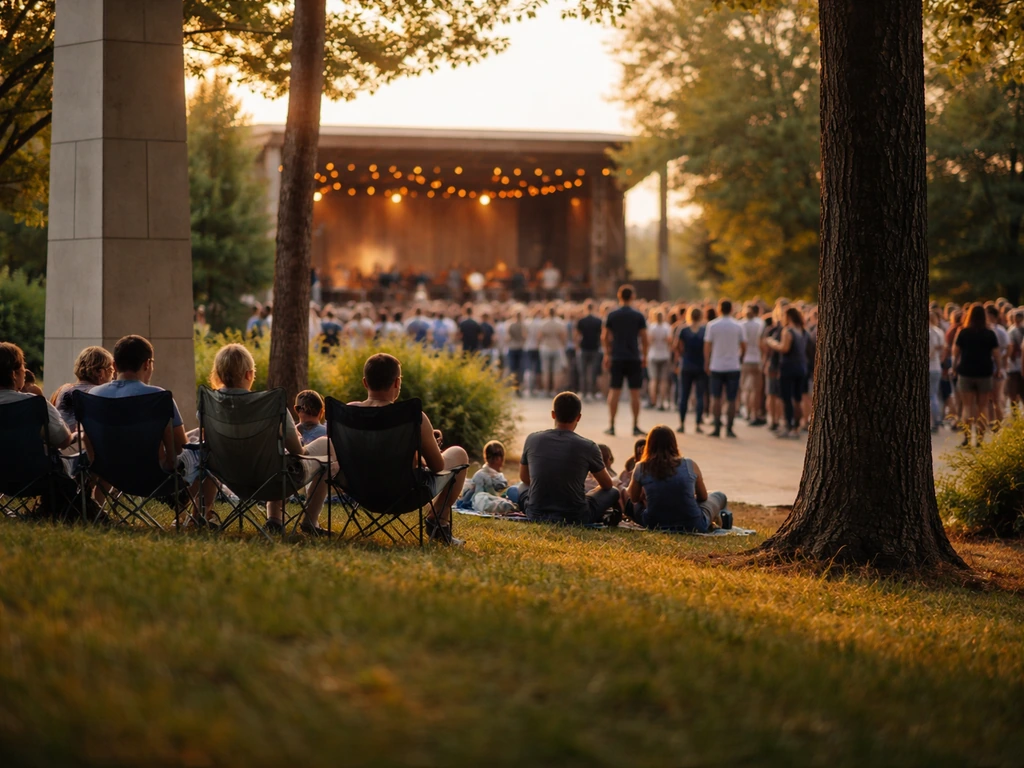
Sightlines at outdoor patio venues are unpredictable in ways indoor theaters simply aren't. Pillars, trees, elevated stages, sloped lawns, and standing crowds can all block your view depending on where you're seated. One common and costly mistake is booking seats based on a marketing description without checking whether reviews specifically flag obstructed views in that section.
There are documented cases of venues selling seats without disclosing obstructions, and platforms like The Elliott have tracked complaints from patrons who got no refund after the fact. If the obstruction is not disclosed and your view is blocked by production equipment or elements, Elliott Advocacy recommends you document what you see from the seat with photos and may have grounds to request a refund Elliott Advocacy’s guidance on obstructed-view complaints.
Look explicitly for review language mentioning 'blocked view,' 'pillar,' 'standing crowd,' or 'couldn't see the screen/stage. '
Sound quality is the other make-or-break dimension in open-air settings. Outdoor audio systems face real technical challenges: wind, ambient noise, coverage gaps at the edges of seating areas, and the natural way sound disperses in open space. An indoor venue's acoustics are engineered; a patio theater's are often a compromise. Reviews that mention audio clarity or echo problems are flagging something structural about the venue setup, not just a bad night. If multiple recent reviews mention the same section having unclear audio, believe them.
Crowd experience is worth its own attention. Patio theater audiences tend to mix drinkers, diners, and dedicated show-goers, and that mix doesn't always blend smoothly. Look for reviews that describe crowd behavior, noise levels between acts, and whether the venue actively managed disruptive guests. A comment like 'half the crowd was just there to drink and talked through the whole set' is a real signal about atmosphere, not a nitpick.
Food, drinks, and service quality during the event
Service timing during a live show is a completely different challenge than service at a regular restaurant. Reviews that specifically describe how the venue handled ordering and delivery while the performance was running are the ones to prioritize. Did servers move quietly between tables? Were there long waits because the kitchen got slammed at intermission? Did the bar line kill 20 minutes of your night? These details only show up in reviews from people who were there for a show, not casual diners.
VIP and table packages at patio entertainment venues often come with minimum spend requirements tied to food and drink. Some venues set lawn table minimums at $1,000 or more for a group of six. Reviews are the best way to gauge whether that spend translates into actual value or just a slightly better seat and a lot of pressure from a server to keep ordering. Look for reviews that mention specific package perks like early entry, drink vouchers, or meet-and-greet access, and then check whether reviewers felt they actually got what was advertised.
One practical thing to search for: reviews mentioning intermission line length or how the venue handled last call during a show. These are consistent pain points at patio theater venues, and a venue that has figured out how to staff properly for show nights versus regular patio nights will get called out in reviews, positively or negatively.
Accessibility, safety, weather plans, and day-of logistics
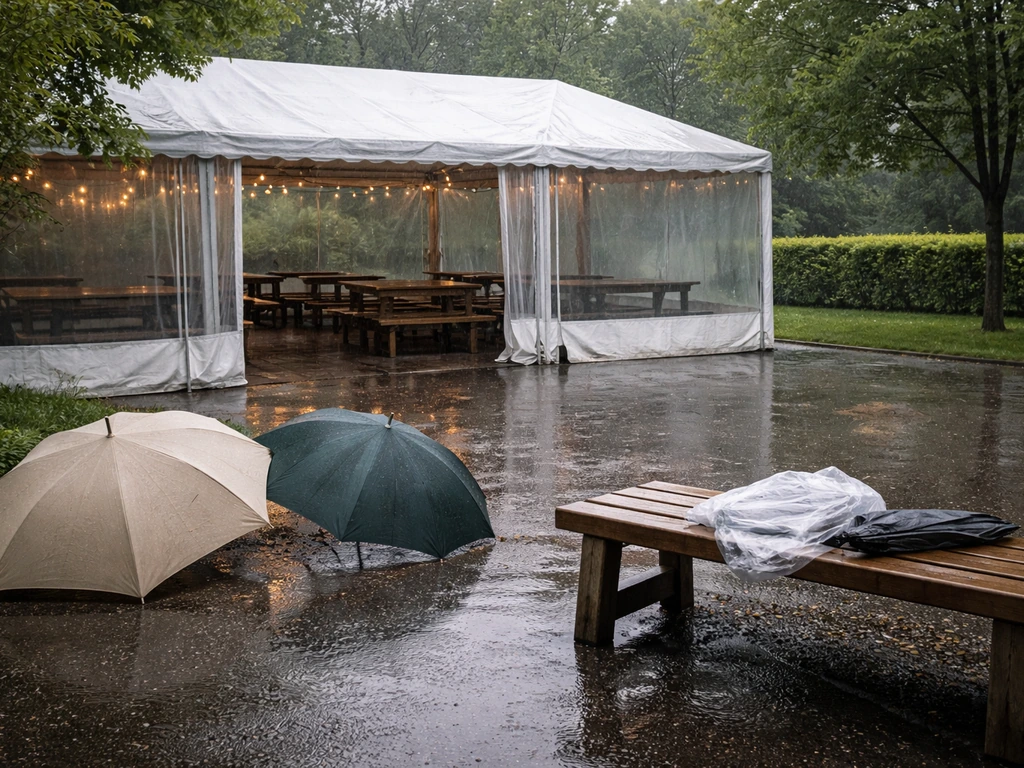
Before you book, check three practical things in reviews: accessibility setup, weather contingency, and arrival friction. These don't always get a dedicated section on the venue's own website, but they absolutely show up in honest reviews.
For accessibility, venue websites may advertise full ADA compliance with seating in both reserved and general admission sections, ADA parking, and guest services for relocations. But what venues advertise and what guests with mobility needs actually experience can differ. Reviews from guests who specifically used ADA seating or requested accessible accommodations are more valuable than the venue's own policy statement. Look for language about parking distance, surface conditions on pathways, and how staff handled mobility requests on busy show nights. Some venues note that ADA parking is limited and first-come, first-served, which matters a lot on a sold-out night.
Weather contingency is the factor that separates a well-run patio theater from a chaotic one. Reviews should tell you whether the venue has a rain delay protocol, whether ticket holders were notified quickly, and whether refunds or reschedules were handled smoothly. If you're finding zero reviews that mention rain, weather, or cancellations for a venue that's been operating for multiple seasons, that's suspicious. Honest review histories almost always include at least a few weather-related comments.
Day-of logistics matter more at outdoor venues than indoors. Parking, entry line length, bag check policies, and how the venue handles late arrivals during a live performance are all things recent reviews will surface. If multiple reviewers describe a chaotic entry process or a 45-minute parking situation, plan accordingly or reconsider.
Price, value, ticketing packages, and what reviews say to expect
Patio theater pricing can get complicated fast. General admission lawn tickets, reserved table packages, VIP upgrades with drink vouchers and early entry, and bottle service minimums all show up at the same venue. Reviews are your best tool for figuring out whether the pricing tiers actually deliver different experiences or whether paying more just means a fancier label on the same view. If you are specifically assessing the patio at Unscripted reviews, focus on details about sound, sightlines, and how the venue handled weather day-of.
| Ticket/Package Type | What to Check in Reviews | Common Review Red Flags |
|---|---|---|
| General admission lawn | Sightlines, crowd density, sound quality from back sections | 'Couldn't see the stage,' 'standing crowd blocked view' |
| Reserved seating | Actual seat location vs. advertised, table service quality | 'Obstructed view not disclosed,' 'server never came back' |
| VIP/table package | Whether advertised perks (early entry, vouchers, meet-and-greet) were delivered | 'Minimum spend forced,' 'perks not as described,' 'not worth the price' |
| Bottle/table service | Minimum spend requirements, staff attentiveness, actual drink quality | 'Minimum spend not mentioned upfront,' 'ignored after initial order' |
When reviews mention specific dollar amounts or compare the experience to what they paid, take that seriously. A review that says 'paid $80 per person and the sound cut out twice in the first set' is telling you something concrete about value. A review that just says 'pricey but worth it' is much less useful without context about what tier they purchased.
Also watch for reviews that describe split experiences, something like 'great show, awful service.' These aren't contradictions; they're two separate data points. The show quality depends on the performer and the PA system. Service quality depends entirely on the venue's operations. At a patio theater, both matter because you're there for both, and a bad service experience can genuinely undermine an otherwise excellent performance.
How to validate review quality and avoid common red flags
Not all reviews are equally trustworthy, and patio theater venues are not immune to the same patterns of inflated ratings, fake positivity, or filtered complaints that affect any hospitality business. Here's how to quickly sort signal from noise.
- Prioritize recent and specific reviews. A review written in the last 90 days that mentions specific details (section number, show name, server interaction, weather conditions) is more reliable than a glowing five-star comment with no detail from two years ago. Venues change staff, upgrade or downgrade sound systems, and shift their service model seasonally.
- Check volume relative to how long the venue has operated. A patio theater that's been open for three seasons with only eight reviews is a red flag. Either the audience is very small or reviews are being filtered or removed. Yelp's algorithm, for example, actively sorts reviews into 'live' and 'filtered' sets, so check both modes if available.
- Look for verified purchase reviews when available. Ticketmaster's fan review system only invites reviews from ticket buyers, and those reviews go live within about 72 hours after passing guidelines. That's a much cleaner signal than an open platform where anyone can post. Use that when the venue sells through a ticketing platform.
- Cross-reference platforms. If a venue has a 4.8 on one platform and a 3.1 on another, don't average them out and move on. Dig into what's driving the gap. Sometimes it's review filtering. Sometimes it's that the platform audiences are different (diners vs. concert-goers), and both sets of feedback are telling you something true.
- Use keyword search inside review sections. On Tripadvisor, use the 'Search reviews' input to search 'sound,' 'rain,' 'ADA,' 'view,' or 'wait.' This surfaces every review that mentions a specific concern and lets you gauge whether one complaint is an outlier or a pattern.
- Be skeptical of venues with zero negative reviews. Every real-world outdoor patio theater has had a bad weather night, a service failure, or a sound issue at some point. A review history with nothing but five-star ratings and zero complaints is more suspicious than reassuring.
- Watch for template-sounding reviews. Generic phrases repeated across multiple reviews ('amazing time,' 'highly recommend,' 'best experience ever') without any venue-specific detail are common indicators of inauthentic review patterns. Authentic patio theater reviews mention the specific show, the seating area, the food or drink they ordered, or a memorable (good or bad) moment.
One more practical move before you commit: if the venue listing on any platform shows a 'be the first to review' prompt or has a reviews section that's essentially empty, treat that as a blank slate with real risk. An outdoor patio theater with no review history means you're going in blind on sound, sightlines, service timing, and weather handling.
If you want a quick read before booking, look at patio park reviews to see how the site handles weather, seating, and service on show nights. That might be fine for a casual outing, but for a ticketed show you're planning around, it's worth looking for a venue with an established record to compare it against, whether that's a patio social club with show programming, a patio drafthouse, or another nearby patio venue with a deeper review trail.
If you're looking for the patio social club reviews specifically, prioritize recent entries and scan for consistent notes on sound, sightlines, and service timing. If you are specifically trying to judge the patio at Unscripted, check the patio at unscripted reviews for recent notes on sound, sightlines, and service timing. If you're considering a patio drafthouse, the patio drafthouse reviews are the fastest way to see whether the sound, sightlines, and service hold up on show nights.
If you want to be sure, check the patio social club reviews for recent notes on sound, views, and service timing patio social club with show programming. If you're specifically looking for the patio district reviews, compare them with the same categories like sound quality, sightlines, and service timing so you can spot inconsistencies. If you are specifically searching for the patio drafthouse reviews, compare what multiple recent reviewers mention about sound, view, and service timing.
Your quick pre-booking checklist
- Sort reviews by most recent and confirm at least a handful are from within the last 90 days
- Search within reviews for 'sound,' 'view,' 'stage,' 'rain,' and 'wait' to surface specific experience reports
- Confirm your specific seating section is not mentioned in obstructed-view complaints
- Check whether the venue has a documented weather policy or cancellation/reschedule plan (and whether reviews confirm it was followed)
- Verify ADA accessibility claims against reviews from guests who actually used those accommodations
- Look at what the ticketing tier includes versus what reviewers say they received
- Cross-check ratings on at least two platforms before deciding
- Avoid booking solely based on a high average rating if total review volume is under 15 or reviews are over a year old
FAQ
Are verified reviews more reliable for patio theater reviews, or can they still be misleading?
Yes. For patio theater, a “verified purchase” badge is helpful, but also check whether reviewers mention their section, row, or table. Generic reviews that omit where they sat are less useful because sightlines and sound coverage vary dramatically by location.
How can I tell if a lawn/general admission section has obstructed or hard-to-see views?
Don’t assume the “lawn” or “general admission” description means unobstructed. Look specifically for review terms like “standing crowd,” “blocked view,” “too far back,” or “couldn’t see the screen/stage,” and note whether the venue allows standing in front of seated areas.
What should I look for to understand service delays that happen during the show?
Compare the intermission and last-call details across recent reviews, not just the overall rating. If many reviews mention long bar lines during intermission or servers pushing orders while people are trying to watch, that often signals under-staffing on show nights even if the food quality is fine.
How do I evaluate whether VIP or table packages are worth it for patio theater venues?
If the venue offers assigned tables or reserved seating, prioritize reviews that mention the exact package name and what was included (early entry, drink vouchers, meet-and-greet). If you only see reviews praising the performer but complaining about “minimum spend pressure,” it can mean you’ll pay for perks you do not actually get.
What’s the best way to interpret repeated complaints about sound quality in patio theater reviews?
Look for consistency. If multiple recent reviews say audio is echoey, muddy, or drops out in the first set, treat it as a likely setup issue (speaker placement, tuning, or coverage gaps). One isolated complaint might be an event-specific problem, especially for first-act technical hiccups.
Are user photos and videos actually helpful for deciding between sections at a patio theater?
Not always. Photos from user-uploaded media are most useful when they include the reviewer’s section/row and show the stage alignment. If you see many photos but no context, cross-check with text reviews that mention specific obstructions like pillars, trees, or elevated platforms.
What do patio theater reviews reveal about day-of arrival friction, bag checks, and late entry?
Check whether reviews discuss late arrival handling and whether tickets were scanned at a specific entry window. If reviewers mention being held at the gate, long bag checks, or missing the start, factor that into your plan even if the venue’s website claims “easy entry.”
How should I read reviews that mention rain or bad weather for a patio theater?
Take “rain delay” language seriously only if it includes the actual outcome, such as how quickly people were notified and whether they got refunds, rescheduled tickets, or partial re-entry. If weather is rarely mentioned for a long-running venue, that absence is a warning sign rather than proof everything goes smoothly.
What details should I look for in reviews if I need ADA seating or accessible parking?
Look for accessibility specifics that go beyond policy claims, such as pathway surface conditions, the distance from parking to seating, and whether staff could help with mobility requests during crowd surges. Also note whether ADA parking is limited and whether it was full on sold-out dates.
How do I use patio theater reviews to compare ticket tiers that all sound similar on the venue site?
Yes, pricing can hide differences. Reviews that include per-person amounts, what tier they bought, and what they received (table position, drink vouchers, early entry, service pace) are much more actionable than reviews that say “worth it” without specifying the package or seat location.
What should I do if patio theater reviews are split, like “great show, awful service”?
The best signal is “split” evidence. If reviews repeatedly mention great performer and PA but poor service, or vice versa, plan for both variables. For example, if service is weak, consider arriving earlier and budgeting time for the bar during intermission, or choose a package with reduced ordering friction.