
When people search 'the patio district reviews,' they're most often looking for information about a cluster of outdoor patio venues in a defined neighborhood, and the most well-known example is Gastown in Vancouver, BC, which has been officially branded 'Patiotown' by the Gastown Business Improvement Association. That area packs more than 20 individual patios and close to 500 outdoor seats into a walkable stretch, making it genuinely one of North America's densest concentrations of patio dining and drinking. If you're trying to decide which specific venue to visit there (or in a similar patio district near you), the reviews are your best tool, and this guide walks you through exactly how to use them.
The Patio District Reviews Guide: How to Choose the Best Patio Spots

Jonah Lawson
29 Apr 2026
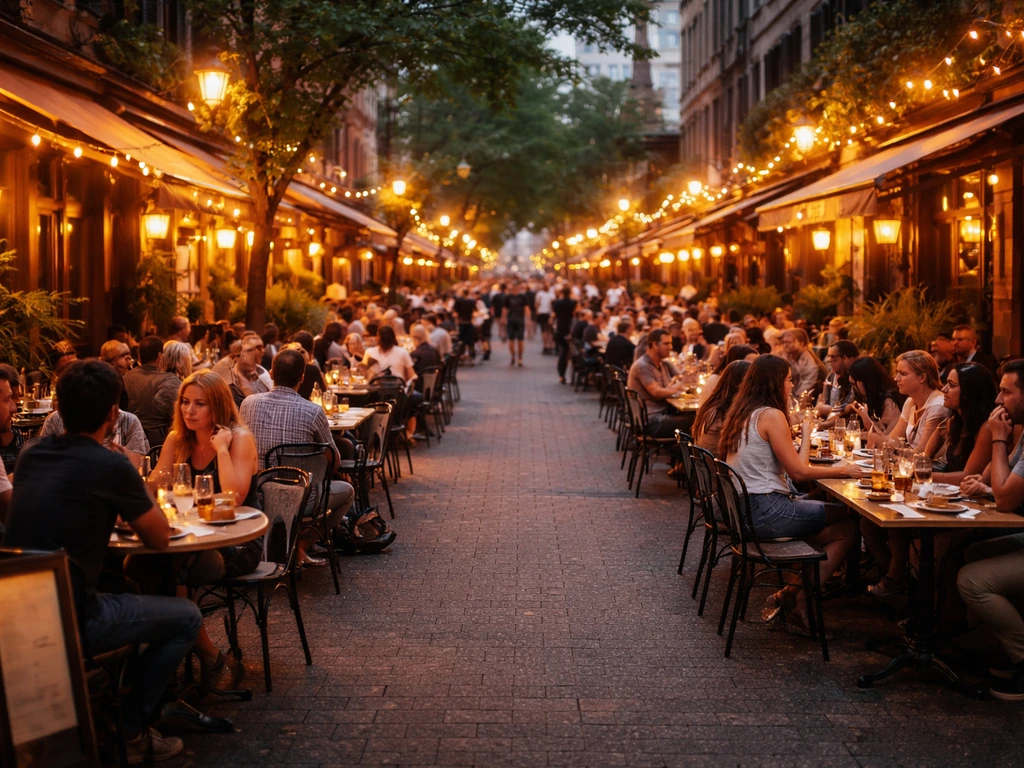
What 'Patio District' actually means (and which area to check)
The term 'Patio District' gets used in a few different ways, so it helps to nail down what you're looking at before diving into reviews. In Vancouver, Gastown's Patiotown is the flagship example: a city-supported outdoor patio zone where the Gastown BIA coordinates with local venues and the city to open up street space for outdoor seating, often converting parking stalls into patio areas. The BIA even publishes a master venue list each season, featuring spots like Black Frog Eatery, Blarney Stone, Cambie Bar and Grill, Clough Club, and Steamworks, among others.
In other cities, 'patio district' may refer to a marketing designation by a local BIA or tourism board, a pedestrian zone where several bars and restaurants share adjacent outdoor space, or simply a neighborhood reputation for great patios. Downtown Vancouver's BIA district has been specifically highlighted by cycling and urban advocates like HUB Cycling as a model for walkable, bike-friendly patio culture. When you're reading reviews, always confirm which specific district or venue cluster is being discussed, because the experience at a coordinated Gastown-style Patiotown is quite different from a standalone venue using the name.
How to actually read Patio District reviews
A star rating alone doesn't tell you much. A venue sitting at 4.1 stars with 600 reviews is a very different beast than one at 4.4 stars with 40 reviews. Volume and recency both matter enormously for patio venues because the experience is so seasonal and weather-dependent. A great summer from two years ago doesn't tell you whether the heaters are working this spring.
Here's what to actually look for when you're scanning through reviews:
- Recency: Filter for reviews from the last 3 to 6 months. Patio setups, staff, and management change. A venue that got mediocre feedback in 2023 might be genuinely better now, and vice versa.
- Recurring themes: If five different reviewers in the last two months all mention slow service, that's a pattern. One bad review is noise. Five are signal.
- Management responses: Venues that actively respond to negative reviews, especially with specific solutions rather than generic apologies, usually take quality more seriously.
- Photo recency: User-uploaded photos from the current season tell you more about the actual patio setup than any written description. Look for recent shots of the seating, shade coverage, and crowd density.
- Review language around the patio itself: Words like 'cramped,' 'loud,' 'beautiful view,' 'no shade,' or 'heaters were on' give you sensory information that star ratings can't.
Also pay attention to what reviewers were there for. A group who came for late-night drinks will have a different experience than a couple looking for a quiet Sunday brunch. Reading a handful of reviews from people whose occasion matches yours gives a much sharper picture than averaging everything together.
Best patio venues to try in the Patio District

In Gastown's Patiotown specifically, the variety is one of the biggest selling points. You've got everything from casual pub-style patios to waterfront-adjacent spots with cocktail programs, all within walking distance. Here's a quick breakdown of the types of venues you'll find and what reviewers consistently highlight about each category:
Patio restaurants and eateries
Black Frog Eatery is a recurring name in Gastown patio coverage, with reviewers noting its approachable menu and solid beer selection in an outdoor setting that doesn't feel pretentious. Cambie Bar and Grill is another staple, popular with locals who want reliable pub food and a relaxed crowd without the velvet-rope energy. For food-forward patio dining, look for venues where reviewers specifically mention the kitchen keeping up during busy outdoor service, because not every restaurant handles the added complexity of a full outdoor section well.
Patio bars and social spots
Steamworks is one of the most recognized names in the Gastown area, especially for craft beer lovers. Its patio reviews frequently mention the industrial-heritage atmosphere and the breadth of in-house brewed options. Clough Club tends to attract a slightly younger crowd and reviewers highlight its cocktail menu and the social, standing-room feel of its outdoor space during evenings. Blarney Stone leans into its pub roots and gets consistent praise for unpretentious fun and a crowd that's there to actually enjoy themselves.
Nightclub-adjacent and late-night patio options
The Patio District in Gastown also bleeds into late-night territory as the evening goes on. Some venues transition from patio restaurant to full nightclub energy after 10 p.m. If that's what you're after, it's worth checking patio nightclub reviews specifically, since the experience of those spaces shifts dramatically between dinner service and late night. Look for reviews that mention the transition explicitly so you know what you're walking into.
What to expect when you actually show up
Gastown's patio setup is largely built around converted parking stalls and extended sidewalk seating, which means the footprint feels intimate and urban rather than sprawling. You're close to the street, you'll hear the city, and on a busy Saturday the energy is genuinely electric. But it also means shade can be limited, sightlines between tables are tight, and during a heat wave or a sudden rain, the experience changes fast.
Most of the Patiotown venues have some form of weather protection, whether that's umbrellas, retractable awnings, or overhead heaters, but coverage varies significantly by spot. Reviews that mention weather conditions are gold: if someone describes ducking inside after 20 minutes because there was no cover, that's information you can act on.
Service on a packed patio is harder than indoor service by definition. The best patio venues staff up for outdoor sections properly, but during peak summer weekends some places stretch thin. Reviewers who mention service time during their visit are giving you a real data point. A 20-minute wait for a first drink is a red flag at a bar; at a busy restaurant on a Friday night, it might just be Friday.
Food and drink quality across the Patio District ranges from craft cocktails and local taps to straightforward pub fare and shareable plates. The cuisine diversity here is real: you can go from a craft beer and wings setup to a more thoughtful seasonal menu within a block. Reviews that mention specific dishes or drinks (not just 'the food was good') are the ones worth trusting.
Pricing, reservations, and the practical stuff
| Venue Type | Typical Price Range (per person) | Reservations | Wait Time (Peak Hours) | Accessibility Notes |
|---|---|---|---|---|
| Casual pub patio (e.g., Blarney Stone, Cambie) | $20–$40 food and drinks | Usually walk-in only | 15–35 minutes on weekends | Varies; street-level most common |
| Craft brewery patio (e.g., Steamworks) | $25–$50 food and drinks | Some booking available | 20–45 minutes on sunny weekends | Generally accessible; check specific venue |
| Cocktail bar patio (e.g., Clough Club) | $30–$60 drinks-focused | Walk-in or same-day reservation | 10–25 minutes evenings | Mixed; ask ahead for mobility needs |
| Upscale patio restaurant | $50–$90+ per person | Strongly recommended | Minimal with reservation | Often better infrastructure |
Parking in Gastown is genuinely limited, especially during patio season when parking stalls are converted to outdoor seating. The City of Vancouver voted to waive fees for new or expanded patios participating in a pedestrian zone pilot and to contribute $20,000 toward restarting Gastown BIA's parking initiative, which includes three hours of free parking once a week during the pilot restarting a Gastown BIA parking initiative with three hours of free parking once a week. Transit is the smarter play: multiple bus routes and SkyTrain access make Gastown one of Vancouver's easier neighborhoods to reach without a car. If you're cycling, the HUB Cycling coverage of the patio district specifically calls out the bike-friendly access, and there's usually secure bike parking nearby.
For accessibility, the converted-parking-stall setup is hit or miss. Some venues have level entry from the sidewalk; others have one or two steps up onto a platform or a cobblestone approach that can be tricky with a wheelchair or mobility aid. Call ahead or check for recent reviews that mention accessibility directly, because this isn't always flagged on venue listing pages.
Common complaints and red flags to watch for
After reading through a lot of patio district reviews across Vancouver and similar venues, certain complaints come up repeatedly. After reading through patio park reviews, you can spot which patios consistently deliver in real-world weather and crowd conditions. These are the patterns worth watching for before you commit to a spot:
- No weather protection: Reviewers mentioning no shade or absent heaters are giving you a practical warning, not just a preference. A patio without cover in Vancouver is unusable on half the days of the year.
- Service that disappears after seating you: This comes up most in reviews from weekend evenings. If multiple recent reviewers mention being ignored after being shown to their table, that's a staffing or management issue, not a one-off.
- Noise levels that kill conversation: Open patios in Gastown sit close to street traffic. Some spots are genuinely loud. If reviews use words like 'had to shout' or 'couldn't hear each other,' that matters for a date or a dinner with friends.
- Kitchen not keeping up with patio demand: Some restaurants expand to outdoor seating without expanding kitchen capacity. Look for reviews that mention long food waits alongside quick drink service, a classic sign of an overwhelmed kitchen.
- Inconsistent quality between visits: One glowing review and one terrible review from the same month suggests an inconsistency problem. Consistent venues get consistent feedback.
- Upselling pressure or confusing pricing: A few patio venues in tourist-heavy zones get flagged for surprise charges or aggressive upselling. If multiple reviewers mention bill surprises, take note.
One pattern worth flagging specifically for patio districts: during major events or holidays, even well-run spots can buckle under crowd pressure. If you're visiting during a festival weekend or a long weekend, filter reviews for those specific periods if you can, because the everyday experience may not reflect what you'll encounter.
How to pick the right place for your specific night
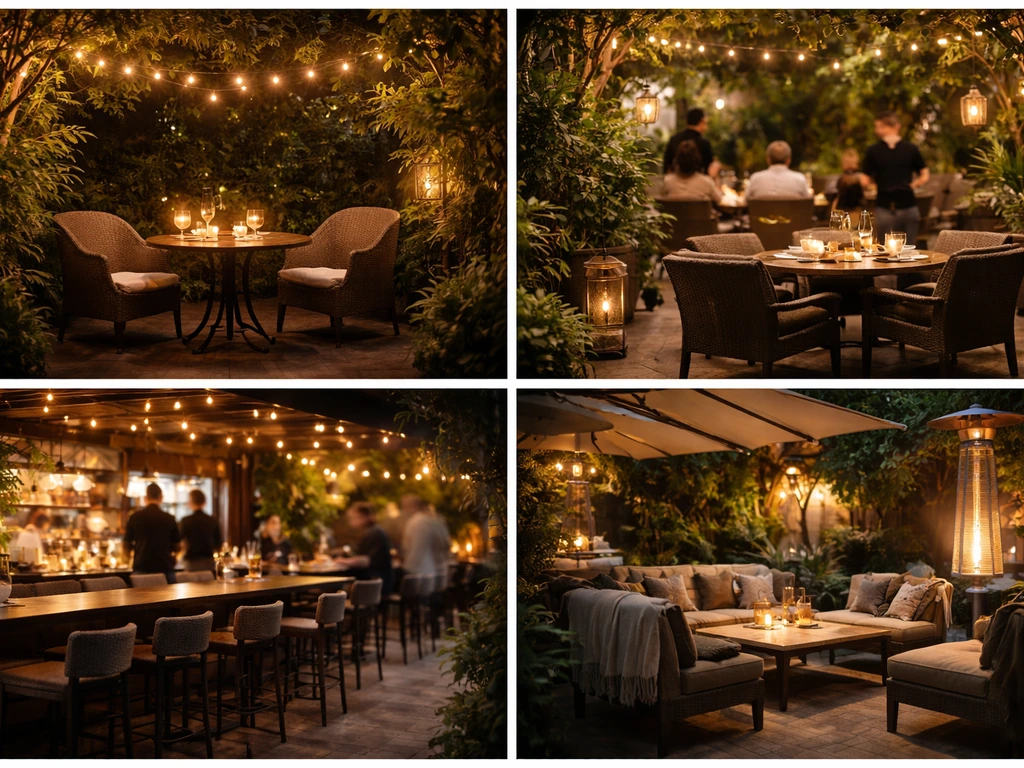
The best review-based decision isn't just 'highest rated.' It's matching the venue to what you actually need. Here's a simple framework that works:
- Date night: Look for venues with reviews that mention quieter sections, attentive service, and a food menu that goes beyond bar snacks. A rating of 4.2 with consistent comments about ambiance beats a 4.5 that's all about the party energy.
- Group hang (6+ people): Prioritize venues where reviewers mention large table availability or group-friendly layouts. Call ahead even if reservations aren't required; most patios can't accommodate a table of 8 without notice.
- Drinks-only outing: Focus on bar and cocktail-forward patio reviews. Look for mentions of the drink menu specifically, fast bar service, and a standing or casual seating setup if you want flexibility to move around.
- Budget-conscious visit: Reviews that mention good value, reasonable portion sizes, or happy hour deals are your guide. Sort by price range first, then look for recent reviews confirming those prices haven't crept up.
- Special occasion: Go for venues with reservations available, management that responds to reviews (shows they care about experience), and comments about celebration-friendly service. A patio social club or upscale patio restaurant tends to score better here than a high-volume pub.
Before you finalize any choice, run through this quick checklist on the review page: Is the overall rating based on at least 50 recent reviews? Do the most recent reviews (last 60 days) match the overall score, or has something changed? Are there photos from this season showing the actual patio setup? Does management respond to criticism in a way that sounds genuine? If you can check those four boxes, you've got enough to make a confident call.
If you're exploring beyond the Patio District format specifically, similar review-reading skills apply to other types of patio venues: a patio drafthouse, a patio social club, or even a patio drive-in will each have their own version of the same review signals. If you are deciding between options like a patio social club, the patio social club reviews can help you compare the vibe and service expectations against a typical Patio District stop. If you want to compare different patio theater options, you can apply the same review-reading signals to patio theater reviews. If you want to compare patio drive in reviews, focus on practical notes like audio and screen visibility, parking flow, and how well staff handle delays. The fundamentals of reading recency, patterns, and occasion-matching translate directly across all of them.
FAQ
How can I tell if reviews are talking about Gastown’s Patiotown specifically, not a generic “patio district” label?
Look for reviews that mention Gastown identifiers like Steamworks, Black Frog, Cambie Bar and Grill, or the converted-stall/sidewalk seating setup. If the review lacks those cues and just says “patio district,” treat it as potentially a different neighborhood cluster.
Is it better to prioritize rating or review recency for a patio district visit?
Prioritize recency. Patio conditions and operations change often with seasonal staffing and weather setups, so recent reviews (for this season) should be weighted more than last year’s ratings.
What should I do if a venue has a high star rating but the number of recent reviews is low?
Use the “recent volume” rule of thumb: if the overall score is based on many reviews but the last 60 days are sparse, you cannot assume the experience is current. Prefer venues where both overall and recent reviews align.
How do I account for weather protection differences across patios when reading reviews?
When scanning, shortlist reviews that explicitly mention cover, heaters, awnings, umbrellas, or people leaving due to rain or heat. Notes about how long cover lasted before patrons relocated are more actionable than general “great patio” comments.
Can I use reviews to predict whether a patio will be too loud for conversation?
Yes, but focus on language about noise, crowd energy, and whether the patio turns into a standing-room or late-night scene. Reviews that describe music volume, yelling to hear, or “bar energy after 10 p.m.” are the best indicators.
How should I interpret mentions of service delays on patios, especially weekends?
Context matters. A 20-minute wait might be routine in peak dinner hours at a busy Friday, but if multiple recent reviewers mention consistently slow drink service across different days and times, that is a stronger warning sign.
What’s a practical way to avoid “review averaging” that hides problems?
Scan for repeated specific complaints, then check whether those complaints show up in recent reviews. If “poor weather cover” or “tight sightlines” appears in multiple reviews from this season, it will likely affect your visit even if the overall rating stays high.
If parking is limited, how can I find reviews that confirm easier arrival options?
Look for reviews that mention SkyTrain, bus access, bike parking, or “easy to get there without driving.” Reviews that only say “no parking” help less than those that note specific transit or bike-related details.
How do I assess accessibility when patios are built from converted parking stalls or platforms?
Find reviews that mention step count, level entry, cobblestones, or the ability to navigate with a wheelchair or mobility aid. If recent reviews do not address accessibility, call ahead, because the listing page may not reflect current path conditions.
What should I do if I’m visiting during a festival or holiday weekend?
Filter reviews by the same date range or event period. Even well-reviewed patios can change operations during major events, with longer waits, tighter seating, or different staffing, so do not rely only on “typical weekend” reviews.
How can I tell if food quality holds up on busy patio service?
Prioritize reviews that describe speed and consistency during peak patio hours, such as whether dishes arrived hot, kitchen kept up, and whether shareable plates and mains were accurate. Vague praise like “food was good” is less useful than concrete timing and order accuracy notes.
Are there “review signals” that help me choose between a patio district stop and a standalone patio venue?
Yes. Patio districts often have foot traffic, shared sidewalks, and tighter sightlines, while standalone patios may feel more controlled. If reviews emphasize crowd spillover and walking between venues, treat the area as inherently lively, then match your expectations to that reality.